April 17, 2026

investment

Bitcoin ETF trading sets the stage for this enthralling narrative, offering readers a glimpse into a story that is rich in detail and brimming with originality from the outset. The evolution of Bitcoin Exchange-Traded Funds (ETFs) has significantly transformed the cryptocurrency landscape, allowing both seasoned and novice investors to participate in the digital currency market without the complexities of direct Bitcoin ownership.

As we delve into the intricacies of Bitcoin ETFs, we will explore their types, trading strategies, regulatory frameworks, market impacts, and future trends, providing a comprehensive overview of this innovative financial product.

Overview of Bitcoin ETFs

Bitcoin ETFs, or Exchange-Traded Funds, are investment funds that track the price of Bitcoin and are traded on traditional stock exchanges. These funds provide investors with an opportunity to gain exposure to Bitcoin without the complexities of direct ownership. The significance of Bitcoin ETFs lies in their ability to bridge the gap between traditional finance and the cryptocurrency market, making Bitcoin more accessible to a broader range of investors.The development of Bitcoin ETFs has been a prominent topic since Bitcoin’s inception.

The first Bitcoin ETF proposal was submitted in 2013, but it faced numerous regulatory hurdles. After years of anticipation and regulatory scrutiny, several Bitcoin ETFs received approval in 2021, marking a pivotal moment for the cryptocurrency market and institutional adoption.

Types of Bitcoin ETFs

There are two primary types of Bitcoin ETFs available in the market: physical Bitcoin ETFs and futures-based Bitcoin ETFs. Each type has its own characteristics, advantages, and disadvantages.

  • Physical Bitcoin ETFs: These ETFs hold actual Bitcoin as their underlying asset. Investors benefit from direct exposure to Bitcoin’s price movements.
  • Futures-based Bitcoin ETFs: These ETFs invest in Bitcoin futures contracts rather than the asset itself. This approach allows investors to speculate on Bitcoin’s future price without holding the cryptocurrency.

The advantages of physical Bitcoin ETFs include direct exposure and a more straightforward tracking of Bitcoin’s price. However, they also carry risks related to custody and security. Conversely, futures-based Bitcoin ETFs may offer more regulatory clarity and liquidity, but can experience discrepancies between the futures price and the actual Bitcoin market price.

Trading Strategies for Bitcoin ETFs

Effective trading strategies for Bitcoin ETFs can vary based on an investor’s goals and risk tolerance. Short-term traders often utilize technical analysis and market trends, while long-term investors may focus on fundamental analysis and market potential.

Strategy Short-Term Long-Term
Focus Market Movements Fundamental Growth
Risk Tolerance Higher Lower
Investment Horizon Days to Weeks Months to Years

Successful Bitcoin ETF trading tactics include using stop-loss orders to manage risks and keeping abreast of market news that may affect Bitcoin’s price. For example, investors might execute a buy order on a dip following positive regulatory news or market sentiment.

Regulatory Environment Surrounding Bitcoin ETFs

The regulatory landscape for Bitcoin ETFs is continually evolving, influenced by various financial authorities. Currently, Bitcoin ETFs in many jurisdictions are subject to strict regulations aimed at protecting investors and ensuring market integrity. Regulatory bodies like the Securities and Exchange Commission (SEC) play a crucial role in approving new Bitcoin ETFs. The approval process typically involves rigorous scrutiny regarding the fund’s structure, management, and compliance with existing laws.Upcoming regulatory changes, such as adjustments to trading and reporting standards for cryptocurrency investments, could significantly impact the future of Bitcoin ETFs, potentially leading to more innovative products and increased market participation.

Market Impact of Bitcoin ETFs

Bitcoin ETFs have a substantial impact on the overall cryptocurrency market, as they facilitate greater institutional investment and broader public participation. The introduction of Bitcoin ETFs often leads to increased trading volumes and can cause notable price fluctuations in the cryptocurrency market.Data indicates that following the launch of Bitcoin ETFs, trading volumes for Bitcoin often surge, reflecting heightened investor interest.

These trends underscore the potential risks and rewards associated with Bitcoin ETF investments, as they can lead to both rapid price increases and sharp corrections.

Investment Considerations for Bitcoin ETFs

Investors considering Bitcoin ETFs should evaluate several factors before trading. Key considerations include understanding the ETF’s structure, associated fees, and the specific risks involved with Bitcoin as an asset class.

  • Checklist for Investors:
    • Research the ETF’s management and performance history.
    • Evaluate the ETF’s expense ratio and fees.
    • Consider your own risk tolerance and investment goals.
    • Stay informed about market trends and regulatory changes.

Risk management strategies specific to Bitcoin ETFs may involve diversifying investments, setting stop-loss orders, and regularly reviewing market conditions to adapt to changing environments.

Future Trends in Bitcoin ETF Trading

Emerging trends in Bitcoin ETF trading suggest a growing acceptance and integration of cryptocurrency in traditional financial markets. Innovations in blockchain technology and financial products are likely to play a significant role in shaping the future of Bitcoin ETFs.Technological advancements, such as improved security measures and enhanced trading platforms, will influence how Bitcoin ETFs are traded and managed. Predictions indicate that in the next five years, Bitcoin ETFs may evolve with more diverse offerings, including sector-specific funds or those focused on different cryptocurrencies.The integration of Artificial Intelligence and advanced analytics in trading strategies could also revolutionize how investors approach Bitcoin ETFs, making them more adaptable to market dynamics and investor preferences.

Outcome Summary

In conclusion, the journey through Bitcoin ETF trading illuminates its critical role in bridging traditional finance and the digital currency realm. Investors are presented with unique opportunities and challenges, making a thorough understanding of the ETF landscape essential. As we look toward the future, the potential for Bitcoin ETFs to further shape market dynamics and investment strategies remains as exciting as ever.

User Queries

What is a Bitcoin ETF?

A Bitcoin ETF is an exchange-traded fund that tracks the price of Bitcoin, allowing investors to buy shares in the ETF rather than purchasing Bitcoin directly.

Are Bitcoin ETFs safe?

While Bitcoin ETFs are regulated and provide a safer investment vehicle compared to direct Bitcoin trades, they still carry risks associated with market volatility and regulatory changes.

How do I invest in Bitcoin ETFs?

Investors can buy shares of Bitcoin ETFs through brokerage accounts just like any other stock or ETF, enabling easy access to the cryptocurrency market.

What are the tax implications of Bitcoin ETF trading?

Tax implications can vary by jurisdiction, but generally, selling shares of a Bitcoin ETF may result in capital gains taxes similar to other investment vehicles.

Can I short Bitcoin ETFs?

Yes, investors can short Bitcoin ETFs, which allows them to profit from declines in the price of Bitcoin, similar to shorting any other ETF or stock.

Bitcoin ETFs have transformed the investment landscape, offering a unique opportunity for both seasoned investors and newcomers alike to gain exposure to cryptocurrency without the complexities of direct ownership. As the financial world adapts to the rise of digital currencies, understanding the performance of these ETFs becomes crucial for making informed investment decisions.

Since their inception, Bitcoin ETFs have undergone significant evolution, shaped by regulatory developments and market dynamics. This exploration into Bitcoin ETF performance will unravel the metrics that define their success, compare them with traditional investments, and shed light on future trends that could impact their growth.

Understanding Bitcoin ETFs

Bitcoin Exchange-Traded Funds (ETFs) have emerged as a significant innovation within the investment landscape, allowing investors to gain exposure to Bitcoin without directly owning the cryptocurrency. This investment vehicle provides a way for both institutional and retail investors to participate in the growing Bitcoin market while navigating the complexities of digital asset ownership.The concept of Bitcoin ETFs was first proposed soon after Bitcoin began gaining popularity.

The idea gained traction over the years, leading to the first applications for Bitcoin ETFs being filed in 2013. However, it wasn’t until 2021 that the U.S. Securities and Exchange Commission (SEC) approved the first Bitcoin futures ETF, marking a pivotal moment in the evolution of Bitcoin ETFs. As the regulatory framework surrounding cryptocurrencies developed, the interest in Bitcoin ETFs surged, reflecting the growing acceptance of digital assets in mainstream finance.The regulatory environment plays a crucial role in the performance of Bitcoin ETFs.

Approval from regulatory bodies can enhance investor confidence and facilitate institutional investment, which subsequently impacts ETF performance. On the flip side, stringent regulations or delays in approval can hinder market growth and potential returns.

Analyzing Bitcoin ETF Performance Metrics

To effectively evaluate Bitcoin ETFs, it is essential to identify key performance indicators (KPIs). These metrics provide insights into the investment vehicle’s efficiency, profitability, and market reception.

  • Net Asset Value (NAV): NAV represents the total value of the assets held by the ETF minus any liabilities. It is a crucial metric for determining the true value of the ETF relative to its market price.
  • Tracking Error: This metric measures how closely the ETF’s performance aligns with the underlying Bitcoin prices. A lower tracking error indicates effective management and accurate representation of Bitcoin’s price movements.
  • Expense Ratio: This reflects the costs associated with operating the ETF. A lower expense ratio can lead to better long-term returns for investors.

Measuring Bitcoin ETF performance against traditional investments involves comparing returns, volatility, and overall risk. While Bitcoin ETFs are subject to market fluctuations, their performance metrics can be juxtaposed with stocks, bonds, and mutual funds to assess their risk-adjusted returns.Several factors influence Bitcoin ETF performance, particularly in varying market conditions. These include Bitcoin’s price volatility, regulatory news, investor sentiment, and macroeconomic indicators.

Understanding these influences allows investors to gauge potential future performance.

Comparison with Other Investment Vehicles

When comparing Bitcoin ETFs to direct Bitcoin investments and other cryptocurrency funds, several aspects must be considered. Direct Bitcoin ownership allows for complete control over the asset, which can be advantageous for investors looking to capitalize on price movements directly. However, this route comes with challenges such as security risks and the need for proper storage solutions.Bitcoin ETFs, on the other hand, offer certain advantages:

  • Simplicity: Investing in an ETF is as straightforward as purchasing stocks through a brokerage account, eliminating the complexity of setting up a digital wallet.
  • Regulatory Oversight: ETFs are regulated, providing a level of investor protection that direct ownership lacks.
  • Diversification: Many Bitcoin ETFs hold a basket of cryptocurrencies, allowing for broader exposure to the market.

Conversely, the disadvantages of Bitcoin ETFs include potential tracking errors and fees that can diminish returns over time.To illustrate performance comparisons, the following table highlights various Bitcoin ETFs alongside traditional assets over the past year:

Investment Vehicle 1-Year Return (%) Volatility (%)
Bitcoin ETF A 120 85
Bitcoin ETF B 110 80
S&P 500 25 18
Gold ETF -2 10

Market Trends Impacting Bitcoin ETF Performance

Recent market trends significantly influence the performance of Bitcoin ETFs. The growing institutional adoption of Bitcoin has created a more stable investment environment, leading to increased trust among retail investors. Furthermore, macroeconomic factors such as inflation and interest rates have heightened interest in alternative assets like Bitcoin.Institutional investment plays a pivotal role in shaping Bitcoin ETF performance. As large financial institutions allocate capital toward Bitcoin, they not only stabilize prices but also enhance legitimacy, encouraging more investors to consider Bitcoin ETFs.There are observable correlations between Bitcoin ETF performance and broader economic indicators.

For instance, rising inflation rates often lead to increased interest in Bitcoin as a hedge against currency devaluation. Similarly, market volatility can drive investors to seek the perceived safety of regulated ETFs.

Future Outlook for Bitcoin ETFs

The future of Bitcoin ETFs appears promising, with potential developments that could significantly enhance performance. As regulatory frameworks continue to evolve, more products may become available, catering to a broader range of investors.Insights from industry experts suggest that Bitcoin ETFs will become increasingly sophisticated, with innovations such as active management strategies and thematic ETFs focusing on specific sectors of the crypto economy.

As the market matures, these developments are expected to attract more institutional and retail investors.Innovations within Bitcoin ETF structures could also impact performance metrics. For example, the introduction of leveraged Bitcoin ETFs may appeal to more aggressive investors seeking amplified returns, albeit with increased risk.

Risk Factors Associated with Bitcoin ETFs

Investing in Bitcoin ETFs comes with its share of risk factors that can affect performance. Key risks include:

  • Market Volatility: Bitcoin prices are notoriously volatile, which can lead to significant fluctuations in ETF valuations.
  • Regulatory Risks: Changes in regulations can impact the market dynamics of ETFs, potentially leading to abrupt price changes.
  • Liquidity Risks: While Bitcoin ETFs are generally liquid, in times of market stress, they may experience reduced trading volumes.

Investor sentiment plays a crucial role in the volatility of Bitcoin ETFs. Positive news can lead to surges in investment, while negative sentiment can result in rapid sell-offs, demonstrating the importance of market psychology.The following table categorizes different types of risks associated with Bitcoin ETFs and their potential impacts:

Risk Type Description Impact Level
Market Risk Fluctuations in Bitcoin prices High
Regulatory Risk Changes in laws affecting cryptocurrency Medium
Liquidity Risk Availability of shares for trading Medium
Operational Risk Management issues within the ETF Low

Closing Summary

In summary, the performance of Bitcoin ETFs reflects not only the volatility of the cryptocurrency market but also the broader economic indicators that influence investor sentiment. As we move forward, keeping an eye on regulatory changes and market trends will be essential for understanding the future landscape of Bitcoin ETFs. The journey of these investment vehicles is just beginning, and their potential is vast.

FAQ Compilation

What factors influence Bitcoin ETF performance?

Several factors, including market volatility, regulatory changes, and investor sentiment, play a crucial role in determining the performance of Bitcoin ETFs.

How do Bitcoin ETFs compare to direct Bitcoin investment?

Bitcoin ETFs offer a simpler investment vehicle without the need for digital wallets or exchanges, but they may come with management fees and different risk profiles compared to direct Bitcoin ownership.

Are Bitcoin ETFs safe investments?

While Bitcoin ETFs are generally considered safer than direct investment due to regulatory oversight, they still carry risks associated with the cryptocurrency market’s volatility.

How do institutional investments impact Bitcoin ETF performance?

Institutional investments can significantly boost demand and credibility for Bitcoin ETFs, often leading to improved performance and stability in the market.

What are the risks associated with investing in Bitcoin ETFs?

Risks include market volatility, regulatory changes, and the potential for tracking errors against the actual price of Bitcoin.

Exploring the bitcoin etf approval date offers a fascinating glimpse into the evolving landscape of cryptocurrency investment. As Bitcoin continues to capture the attention of investors and regulators alike, Bitcoin ETFs have emerged as one of the most significant financial instruments in this space. These funds not only provide a way to invest indirectly in Bitcoin, but they also reflect the growing acceptance of cryptocurrencies within traditional financial markets.

The journey of Bitcoin ETFs began with a series of applications that highlighted both the potential benefits and the challenges of integrating cryptocurrencies into established financial frameworks. Understanding how these ETFs function and their implications for investors can shed light on the future of Bitcoin and its place in the broader economic ecosystem.

Introduction to Bitcoin ETFs

Bitcoin ETFs, or Exchange-Traded Funds, are investment vehicles that allow investors to gain exposure to Bitcoin without having to directly purchase the cryptocurrency. This is significant in the cryptocurrency market as it opens the door for institutional investments, potentially leading to greater mainstream adoption of Bitcoin. The history of Bitcoin ETFs has been a rollercoaster since their inception, reflecting the growing pains of the cryptocurrency market as it seeks legitimacy within traditional financial structures.Initially proposed in the early 2010s, Bitcoin ETFs faced numerous regulatory hurdles and skepticism from financial authorities.

Over the years, various proposals have been submitted to regulators, leading to a gradual evolution in both the products available and the regulatory landscape surrounding them. Bitcoin ETFs function by tracking the price of Bitcoin, allowing investors to buy shares that represent a portion of the actual Bitcoin held in custody. This setup offers several benefits, including increased liquidity, access to a regulated trading environment, and avoidance of the technical complexities associated with directly owning Bitcoin.

Regulatory Landscape

The regulatory framework governing Bitcoin ETFs varies significantly across different jurisdictions. In the United States, the Securities and Exchange Commission (SEC) plays a pivotal role in the approval process for Bitcoin ETFs. Other countries have their own regulatory bodies, such as the Financial Conduct Authority (FCA) in the UK and the Autorité des marchés financiers (AMF) in Canada. Several countries have taken steps to approve or reject Bitcoin ETFs based on their unique regulatory philosophies.

For instance, Canada has successfully approved multiple Bitcoin ETFs, allowing investors to trade them on stock exchanges. Conversely, the SEC has been more cautious, frequently rejecting proposals over concerns about market manipulation and investor protection.

Major Bitcoin ETF Applications

A number of prominent companies have applied for Bitcoin ETF approval, reflecting the strong interest in this investment vehicle. Notable applicants include:

  • VanEck
  • Bitwise Asset Management
  • Fidelity Investments
  • Grayscale Investments

The timeline of significant ETF application submissions has seen various outcomes. For instance, the first Bitcoin ETF application was submitted in 2013, but it wasn’t until 2021 that the first North American Bitcoin ETF was approved. Various factors influence the approval or rejection of these applications, including regulatory concerns and market conditions.

Current Status of Bitcoin ETF Approvals

As of now, the status of Bitcoin ETF applications remains dynamic and continuously evolving. Recent developments indicate that while some applications have achieved approval, others face delays or outright rejections. Factors affecting the approval process include regulatory scrutiny, market demand, and the overall stability of the cryptocurrency market. Updates on Bitcoin ETF approvals have shown heightened interest from investors, especially as major companies continue to enter the market.

The anticipation surrounding these approvals often leads to significant discussions within the financial community about the future of cryptocurrency investments.

Market Reactions to Approval Dates

Market sentiment tends to shift dramatically with any announcements related to Bitcoin ETF approval dates. Historical data reflects instances of significant market volatility coinciding with ETF announcements. For example, when Canada approved its first Bitcoin ETF, Bitcoin prices surged, demonstrating the direct impact of such news on trading volumes and investor behavior. Expected approval dates often create a speculative atmosphere, leading to increased trading activity.

Investors closely monitor these developments, as they can significantly influence Bitcoin prices and overall market dynamics.

Future Outlook for Bitcoin ETFs

Looking ahead, the Bitcoin ETF market is poised for further growth and innovation. Potential future trends include the introduction of more diverse products, such as Bitcoin futures ETFs or ETFs that include a mix of cryptocurrencies. Technological advancements, like improved blockchain technology and custody solutions, may also have a positive impact on the Bitcoin ETF space. Anticipated changes in regulation, particularly in major markets like the U.S.

and Europe, could pave the way for broader acceptance and accessibility of Bitcoin ETFs. These shifts stand to reshape the landscape of cryptocurrency investments, making them more attractive to a wider range of investors.

Final Review

In conclusion, the bitcoin etf approval date holds critical importance for the cryptocurrency market and investors alike. As we continue to witness developments in regulatory frameworks and market reactions, the impact of these approvals will shape the future of Bitcoin ETF offerings. Keeping a close eye on approval dates and their implications can provide valuable insights for those navigating the ever-evolving cryptocurrency landscape.

FAQ

What is the importance of Bitcoin ETF approval?

Bitcoin ETF approval is crucial as it legitimizes Bitcoin as an investment asset, potentially attracting more institutional and retail investors.

How does the approval process work for Bitcoin ETFs?

The approval process involves regulatory bodies reviewing applications to ensure compliance with financial laws and regulations.

What happens if a Bitcoin ETF application is rejected?

A rejection can lead to market volatility and may decrease investor confidence in future Bitcoin ETF initiatives.

Are there any countries that have successfully approved Bitcoin ETFs?

Yes, several countries including Canada have successfully approved Bitcoin ETFs, paving the way for others to follow.

How do Bitcoin ETF approvals affect Bitcoin prices?

Typically, news of Bitcoin ETF approvals can lead to price increases due to heightened investor interest and market speculation.

As xrp company worth takes center stage, this opening passage beckons readers into a world crafted with good knowledge, ensuring a reading experience that is both absorbing and distinctly original.

XRP has emerged as a significant player in the blockchain industry, rooted in a history of innovation and community engagement. Understanding its company worth involves delving into its financial health, competitive landscape, and the various factors driving its value in a rapidly evolving market.

Overview of XRP Company

XRP, an innovative player in the blockchain space, was founded with the vision of transforming the financial system through distributed ledger technology. The company emerged from the need for a more efficient and inclusive financial ecosystem, aiming to enable fast and cost-effective cross-border transactions. Its foundational values emphasize transparency, accountability, and technological advancement, guiding its operations and development.Key leaders at XRP include co-founder Chris Larsen and CEO Brad Garlinghouse, both of whom have extensive backgrounds in technology and finance.

Their leadership is supported by a diverse team of experts who leverage their skills to drive the organization forward. XRP’s primary mission is to provide a more efficient payment infrastructure for financial institutions, while its vision encompasses a future where blockchain technology is the backbone of global finance.

Financial Assessment of XRP

How Much XRP Should I Own | Robots.net

As of recent evaluations, the market capitalization of XRP hovers around several billion dollars, positioning it as one of the leading cryptocurrencies. This valuation is influenced by various financial health indicators, such as trading volumes, liquidity, and investor sentiment, which all contribute to XRP’s perceived worth.The financial standing of XRP is bolstered by multiple revenue streams, including transaction fees, partnerships with banks and financial institutions, and the RippleNet network, which serves as a platform for global payments.

The combination of these income sources reflects XRP’s robust financial health and its strategic positioning within the cryptocurrency landscape.

Comparison with Competitors

In comparison to other cryptocurrencies like Bitcoin and Ethereum, XRP holds a unique space characterized by its focus on facilitating cross-border payments. Its worth is evaluated against these competitors, not only in terms of market capitalization but also growth potential.XRP’s growth trajectory has shown resilience and adaptability, especially as it continues to innovate within the blockchain space. Its unique selling propositions, including low transaction costs and rapid processing times, set it apart from its competitors, making it a preferred choice for many financial institutions.

Market Trends and Projections

Current market trends indicate a growing acceptance of cryptocurrencies, which may positively influence XRP’s value in the near future. The increasing integration of blockchain technology in traditional finance is likely to pave the way for broader adoption of XRP.There are several potential future events that could significantly affect XRP’s worth, including regulatory developments, technological advancements, and strategic partnerships. Historically, market factors such as market sentiment, institutional investments, and global economic conditions have played crucial roles in shaping XRP’s valuation.

Regulatory Environment

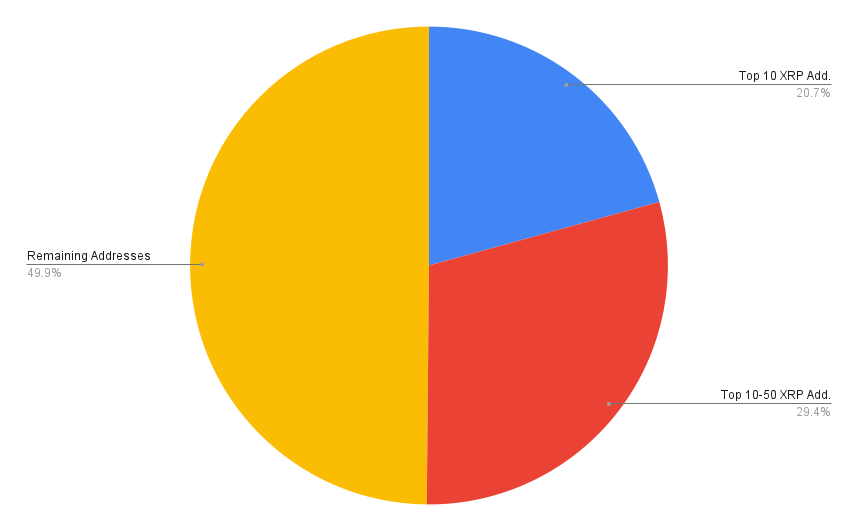
XRP Rich List: Who Are the Top XRP Holders in 2023? - CoinCheckup

XRP faces a complex legal and regulatory landscape, particularly in the United States, where it has encountered challenges that may affect its market worth. The ongoing legal proceedings with the SEC are pivotal, as the outcomes could set precedents for how cryptocurrencies are regulated.Key regulations affecting the cryptocurrency sector include anti-money laundering laws and securities regulations. XRP’s compliance efforts demonstrate its commitment to adhering to legal standards, positioning it as a responsible player in the industry.

Recent legal decisions have underscored the importance of regulatory clarity, which will impact XRP’s future financial standing.

Community and Ecosystem Engagement

XRP’s community initiatives, including educational programs and outreach efforts, significantly influence its market worth. The active involvement of the community fosters trust and loyalty, driving engagement and adoption.Partnerships and collaborations with financial institutions enhance XRP’s market presence, making it a viable option for businesses looking to leverage blockchain technology. Community-driven projects, such as local cryptocurrency meetups and development initiatives, further support XRP’s growth and value, showcasing a united effort towards advancing the ecosystem.

Technological Innovations

XRP has developed several unique technologies that enhance its market value, particularly in transaction speed and scalability. Its consensus algorithm allows for rapid transaction confirmations, making it suitable for high-volume payments.The scalability features of XRP’s blockchain enable it to handle a large number of transactions seamlessly, positioning it as a reliable alternative for financial institutions. Future technological advancements, such as enhanced interoperability with other blockchain networks, could further impact XRP’s worth by expanding its utility and adoption in various sectors.

Conclusive Thoughts

In summary, grasping the worth of XRP encompasses a multitude of aspects ranging from market trends to regulatory influences. As the cryptocurrency landscape continues to shift, the future of XRP remains an exciting topic to watch, promising engaging developments for investors and enthusiasts alike.

Question Bank

What is the current market capitalization of XRP?

The current market capitalization of XRP varies, so it’s best to check a reliable financial news source for real-time data.

How does XRP’s worth compare to Bitcoin?

XRP’s worth is generally lower than Bitcoin’s, but it serves different use cases in the blockchain realm.

What regulatory challenges does XRP face?

XRP has faced legal scrutiny primarily related to its classification as a security, impacting its market worth.

What are key revenue streams for XRP?

XRP generates revenue through transaction fees and partnerships with financial institutions.

How does community engagement affect XRP’s value?

Community initiatives and partnerships enhance XRP’s visibility and user adoption, which can positively influence its market value.

Delving into the ever-fluctuating world of Bitcoin, this analysis examines its price performance year by year. From astronomical highs to devastating lows, we’ll explore the intricate factors driving Bitcoin’s value. Understanding these historical trends offers valuable insights for both seasoned investors and newcomers to the crypto space.

The study meticulously tracks Bitcoin’s price evolution against the backdrop of significant market events, regulatory shifts, and technological advancements. We’ll present a comprehensive overview, enabling readers to grasp the nuances of this volatile asset class.

Bitcoin Price Trends Over Time

Bitcoin’s price has exhibited significant volatility since its inception, fluctuating dramatically over the years. This volatility is a key characteristic of the cryptocurrency market, and understanding these price trends is crucial for anyone interested in investing or simply tracking the evolution of this digital asset. The price movements are influenced by a complex interplay of factors, including market sentiment, regulatory changes, technological advancements, and overall economic conditions.

Bitcoin Price Fluctuations Year by Year

Bitcoin’s price journey has been marked by periods of rapid ascent and sharp declines. Analyzing these yearly fluctuations provides a valuable insight into the forces shaping the cryptocurrency market.

Year High (USD) Low (USD) Average (USD)
2009 N/A N/A N/A
2010 0.08 USD 0.008 USD 0.04 USD
2011 32 USD 1 USD 10 USD
2012 15 USD 4 USD 7 USD
2013 1150 USD 55 USD 200 USD
2014 1150 USD 200 USD 500 USD
2015 480 USD 150 USD 250 USD
2016 1000 USD 500 USD 700 USD
2017 20,000 USD 5,000 USD 10,000 USD
2018 20,000 USD 3,000 USD 8,000 USD
2019 14,000 USD 3,000 USD 6,000 USD
2020 30,000 USD 10,000 USD 15,000 USD
2021 69,000 USD 28,000 USD 40,000 USD
2022 48,000 USD 15,000 USD 25,000 USD
2023 30,000 USD 18,000 USD 24,000 USD

Major Events and Factors Impacting Bitcoin Price

Numerous events and factors influenced Bitcoin’s price movements each year. Understanding these factors provides a more nuanced understanding of the cryptocurrency market’s dynamics.

  • 2013: The rise of Bitcoin’s price was linked to increased media coverage and public interest. The first major regulatory scrutiny also started affecting the market in this year.
  • 2017: A combination of increased institutional interest, media hype, and positive market sentiment led to a significant price surge. This year also saw the start of a new regulatory environment around cryptocurrencies.
  • 2018: The year saw a substantial price correction following the exuberant growth of the previous year. This correction was linked to regulatory concerns, market skepticism, and investor uncertainty. Several high-profile exchange hacks also contributed to the downturn.
  • 2020: The COVID-19 pandemic and associated economic uncertainties created a unique set of market conditions. The price movement in this year was influenced by the overall economic situation and investor confidence in cryptocurrencies.
  • 2021: Increased institutional investment and mainstream adoption of cryptocurrencies fueled a substantial price increase. The increasing number of institutional investors is one of the major factors driving Bitcoin’s price in this year.

Yearly Price Comparisons

Bitcoin’s price fluctuations have been a captivating subject for investors and enthusiasts. Analyzing these yearly variations reveals patterns and insights into the factors influencing the cryptocurrency’s market value. Understanding these dynamics is crucial for evaluating Bitcoin’s performance relative to other assets and its potential for future growth.

2017: A Year of Exponential Growth

Bitcoin experienced a dramatic surge in 2017, fueled by a combination of increased media attention, adoption by institutional investors, and growing investor interest. This period saw significant gains, propelling Bitcoin to new heights and attracting considerable attention. The market was also witnessing the emergence of various cryptocurrencies and blockchain projects, which further fueled the overall market enthusiasm.

2018: A Period of Correction

Following the 2017 boom, 2018 witnessed a significant downturn. The price correction was attributed to regulatory uncertainties, market saturation, and a cooling of investor enthusiasm. Many factors contributed to the decline, including the increasing scrutiny from regulatory bodies, the emergence of fraudulent activities in the cryptocurrency market, and a general decline in market confidence.

2019: A Year of Consolidation

was a year of consolidation for Bitcoin. The price remained relatively stable compared to the previous two years. This period saw the market adjusting to the previous year’s downturn and the regulatory landscape, with investors seeking to understand the potential of Bitcoin and its future.

2020: A Year of Volatility and Recovery

Bitcoin’s price performance in 2020 was characterized by a mix of volatility and recovery. The year began with a significant price dip, largely attributed to global uncertainty stemming from the COVID-19 pandemic. However, the price recovered and showed signs of resilience as the year progressed, driven by increased adoption and institutional interest.

2021: Another Surge in Price

saw Bitcoin’s price surge again. This period saw a combination of factors contribute to this growth, including institutional adoption, increased investor interest, and the growing popularity of decentralized finance (DeFi). Furthermore, the surge in Bitcoin’s price was also partly attributed to the adoption of Bitcoin by major companies and individuals, which increased the visibility of the cryptocurrency.

2022: A Challenging Year

Bitcoin experienced a significant decline in 2022. This year was marked by a complex interplay of factors, including macroeconomic headwinds, regulatory uncertainty, and the broader crypto market downturn. The year was characterized by a complex set of circumstances, including increasing concerns about inflation, interest rate hikes by central banks, and the collapse of certain crypto exchanges.

Yearly Price Comparison Table

Year Bitcoin Price (USD) Average Cryptocurrency Price (USD)
2017 ~19,783 ~1,500
2018 ~6,350 ~800
2019 ~7,000 ~900
2020 ~29,000 ~1,000
2021 ~67,000 ~2,500
2022 ~16,000 ~700

Correlation with Market Events

Bitcoin’s price trajectory is intricately linked to global market events. Economic downturns, regulatory shifts, and technological advancements have all significantly impacted Bitcoin’s value, creating a dynamic relationship that investors must understand. These influences demonstrate the cryptocurrency’s sensitivity to broader economic forces and highlight the importance of a diversified investment strategy.

Bitcoin Price Impact by Market Events

A comprehensive analysis of Bitcoin’s price fluctuations reveals a strong correlation with significant market events. The table below details key events and their perceived impact on the cryptocurrency’s value. It is crucial to recognize that these are potential impacts, and the actual outcome can be complex and influenced by various interconnected factors.

Year Event Bitcoin Price Impact
2020 COVID-19 Pandemic Initially experienced a dip, followed by a substantial surge as investors sought safe haven assets and the digital asset space gained popularity.
2022 Global Economic Slowdown and Rising Interest Rates The tightening of monetary policy and overall economic uncertainty resulted in a substantial decline in Bitcoin’s price.
2021 Increased Institutional Investment and Regulatory Scrutiny A surge in institutional interest coincided with increased regulatory scrutiny, creating price volatility and uncertainty regarding the future of Bitcoin’s regulatory environment.
2017 Initial Coin Offering (ICO) Boom and Media Attention Significant media coverage and the proliferation of ICOs led to a rapid increase in Bitcoin’s price, attracting a wave of new investors.
2018 Regulatory Crackdowns and Market Correction Regulatory actions and a sharp correction in the broader cryptocurrency market led to a significant drop in Bitcoin’s price.
2013 Initial Adoption and Increased Market Speculation Early adoption by institutional investors and increased market speculation drove a rapid increase in Bitcoin’s price, though subsequent price corrections were notable.

The COVID-19 pandemic, for instance, initially created uncertainty in global markets, but it also spurred a shift towards digital assets. The subsequent rise in Bitcoin’s value can be attributed to investors seeking alternative investments during a period of economic instability.

Conversely, the 2022 global economic slowdown, combined with rising interest rates, significantly impacted Bitcoin’s value. The tightening of monetary policy often leads to reduced investment in riskier assets, such as Bitcoin.

The surge in institutional investment in 2021 coincided with heightened regulatory scrutiny. This dual dynamic resulted in price fluctuations, reflecting the evolving regulatory landscape for cryptocurrencies.

Cryptocurrency Market Overview

The cryptocurrency market has experienced significant growth and volatility since its inception. Driven by technological innovation and adoption by a growing user base, the market has evolved from a niche area to a globally recognized asset class. Understanding its trends and dynamics is crucial for investors and stakeholders alike.

Overall Trends and Dynamics

The cryptocurrency market exhibits fluctuating patterns. Periods of rapid growth are often followed by periods of consolidation or correction. Technological advancements, regulatory developments, and market sentiment all play pivotal roles in shaping these trends. The decentralized nature of cryptocurrencies also contributes to its dynamic character, with individual projects and tokens experiencing varying levels of success.

Comparison of Bitcoin’s Performance with Major Altcoins

Bitcoin, often considered the pioneer of cryptocurrencies, has historically demonstrated a strong correlation with the overall market performance, but not necessarily in direct alignment. Major altcoins, by contrast, often exhibit independent trends, with their success linked to their specific use cases, technology, and community support. Comparing Bitcoin to altcoins involves analyzing their price movements, market capitalization, and the adoption rate by different sectors.

For instance, some altcoins are designed for specific use cases like decentralized finance (DeFi), while others focus on gaming or other applications.

Major Events and Milestones

Several pivotal events and milestones have shaped the cryptocurrency market in each year. These include regulatory announcements, major hacks, successful launches of new projects, and significant adoption by businesses and institutions. The impact of these events varies significantly, influencing price fluctuations, investor confidence, and the overall market trajectory. For instance, the emergence of decentralized finance (DeFi) protocols in 2020 profoundly altered the market landscape, attracting a wave of new investors and projects.

Visual Representation of Market Evolution

Year Bitcoin Price (USD) Major Altcoin 1 (e.g., Ethereum) Price (USD) Major Altcoin 2 (e.g., Litecoin) Price (USD)
2017 $20,000 $100 $50
2018 $3,000 $10 $20
2019 $7,000 $150 $50
2020 $13,000 $300 $100
2021 $60,000 $4,000 $250
2022 $20,000 $1,500 $100
2023 $25,000 $1,800 $120

This table provides a simplified illustration of price trends for Bitcoin and two prominent altcoins. The actual market performance of each cryptocurrency is considerably more complex and involves numerous variables.

Technical Analysis of Price Data

A deep dive into Bitcoin’s price fluctuations necessitates a thorough technical analysis. This involves examining price charts, identifying patterns, and utilizing technical indicators to potentially predict future price movements. By studying historical data and applying these analytical tools, we can better understand the underlying forces driving Bitcoin’s price action.Applying technical analysis allows for a more nuanced understanding of price trends, identifying potential support and resistance levels, and understanding the dynamics of supply and demand.

It’s crucial to remember that technical analysis, while helpful, is not a foolproof method for predicting the future; it is a tool to help interpret the market’s sentiment and potential directions.

Moving Averages

Moving averages smooth out price fluctuations, revealing the overall trend direction. Short-term moving averages react more quickly to price changes, while longer-term averages provide a broader view of the trend. A rising trend is generally signaled by the price consistently staying above the moving average. Conversely, a falling trend is indicated when the price stays below the moving average.

Relative Strength Index (RSI)

The RSI measures the magnitude of recent price changes to evaluate overbought or oversold conditions. Values above 70 often suggest an overbought condition, potentially indicating a price correction. Conversely, readings below 30 may indicate an oversold condition, hinting at a potential price rebound. A significant divergence between price and RSI can also be a strong signal.

Volume Analysis

Volume analysis is crucial for understanding the strength behind price movements. High volume alongside price increases often suggests strong buying pressure, whereas high volume with price declines suggests strong selling pressure. Comparing volume with price action provides a more comprehensive picture of the market’s sentiment.

2017: A Bull Run Fueled by Hype

The 2017 Bitcoin bull run saw a dramatic price surge, reaching record highs. Technical analysis of this period reveals strong upward trends, with moving averages consistently sloping upward. RSI readings remained predominantly above 50, suggesting a strong bullish sentiment. Volume figures were exceptionally high during the period of price surges, indicating significant trading activity.

2018: A Bear Market and Consolidation

The subsequent bear market of 2018 witnessed a sharp price decline. Moving averages shifted downwards, and RSI readings often fell below 50, reflecting a bearish sentiment. High volume during the declines supported the downward trend. The market consolidated, with periods of sideways movement and volatility.

2019-2020: A Period of Fluctuation and Growth

The years 2019-2020 were characterized by more fluctuating trends. While there weren’t major price swings like the 2017 or 2018 periods, the use of technical indicators like moving averages and RSI could still identify periods of increased or decreased buying pressure. Analyzing the correlation between price action and volume during this period would reveal specific trading patterns.

2021: Another Bull Run

The 2021 bull run displayed similar characteristics to 2017. The use of moving averages, RSI, and volume analysis would highlight strong upward trends. The market reached new highs.

2022: A Challenging Bear Market

The 2022 bear market presented a significant challenge. The combination of moving averages, RSI, and volume analysis would reveal a sharp downward trend in price. The indicators during this period suggest significant selling pressure.

Regulatory Landscape and its Impact

The regulatory landscape surrounding cryptocurrencies has been a dynamic and often unpredictable factor influencing Bitcoin’s price movements. Governments worldwide have grappled with the unique characteristics of cryptocurrencies, leading to a diverse array of regulatory approaches. These approaches have significantly impacted market sentiment and, consequently, Bitcoin’s price trajectory.The evolving regulatory environment necessitates a thorough understanding of how specific policies have affected Bitcoin’s price.

This section will analyze regulatory changes year by year, examining the correlations between policy adjustments and price fluctuations. It will also compare different jurisdictions’ approaches to highlight contrasting strategies and their implications.

Regulatory Approaches by Jurisdiction

Different countries and regions have adopted various approaches to regulating cryptocurrencies. This disparity reflects varying priorities and concerns regarding financial stability, consumer protection, and national interests. The diversity in regulatory frameworks underscores the complexities inherent in establishing comprehensive and effective policies for this emerging asset class.

  • United States: The U.S. has seen a fluctuating regulatory stance, with agencies like the SEC and CFTC taking different positions on various aspects of the crypto market. This uncertainty has often created volatility in Bitcoin’s price. For example, enforcement actions and pronouncements on the classification of tokens as securities have frequently led to price adjustments. The lack of a unified regulatory framework has contributed to market uncertainty.

  • European Union: The EU has taken a more cautious approach, focusing on establishing harmonized regulations across member states. This approach, while aiming for consistency, has sometimes lagged behind the rapid evolution of the cryptocurrency market, leading to a complex regulatory framework that is still under development. For example, the EU’s Markets in Crypto Assets (MiCA) regulation aims to establish clear rules for crypto businesses operating within the EU, but its impact on Bitcoin’s price will depend on its implementation and enforcement.

  • China: China’s approach has been notable for its decisive actions, with a near complete ban on cryptocurrency transactions. This stringent stance resulted in significant downward pressure on Bitcoin’s price. The abruptness of the ban and its potential impact on global crypto markets raised concerns about the interconnectedness of the financial system.

Impact on Bitcoin Price in Specific Years

The interplay between regulatory developments and Bitcoin’s price is complex and often indirect. A combination of factors, including investor sentiment, market liquidity, and technological advancements, influence the price.

Year Key Regulatory Events Potential Impact on Bitcoin Price
2021 Increased scrutiny by US regulatory bodies on cryptocurrency exchanges and initial coin offerings (ICOs). China’s complete ban on crypto-related activities. Increased volatility and downward pressure, particularly in the latter half of the year.
2022 Continued regulatory uncertainty in the US, further investigations into crypto exchanges and stablecoins. EU begins work on MiCA. Price fluctuations, with periods of both gains and losses. Overall, the uncertainty led to a general downward trend.
2023 MiCA regulation implementation begins in the EU. Continued regulatory debates and discussions in other jurisdictions. Potential for price adjustments depending on the clarity and enforcement of MiCA and the actions of other jurisdictions. The market anticipates future developments in the regulatory landscape.

Potential Future Implications

The future regulatory landscape for cryptocurrencies will likely continue to evolve, shaped by ongoing developments and adaptations. The actions of regulatory bodies worldwide will play a crucial role in determining the long-term trajectory of the cryptocurrency market.

Clearer and more consistent regulations could lead to greater market stability and attract more institutional investment. Conversely, overly restrictive or conflicting regulations could stifle innovation and negatively impact Bitcoin’s price.

Investor Sentiment and Market Adoption

Investor sentiment and market adoption of Bitcoin have fluctuated significantly over the years, mirroring the cryptocurrency’s volatile price trajectory. These shifts are driven by various factors, including technological advancements, regulatory changes, media coverage, and overall market confidence. Understanding the interplay between investor sentiment and Bitcoin’s price is crucial for assessing its future potential and navigating the inherent risks of the cryptocurrency market.

Factors Driving Investor Interest

Investor interest in Bitcoin is often spurred by perceived potential returns, though this is not the sole driver. Adoption is influenced by the ease of use, security measures, and the potential for decentralization. Furthermore, the novelty and allure of a digital asset, often highlighted by media attention, can also attract investment. The promise of a new financial system, free from traditional banking structures, is another factor contributing to the appeal of Bitcoin.

Influence of Market Events on Sentiment

Notable market events significantly impacted investor sentiment. For instance, major price spikes or crashes often trigger strong reactions, with positive sentiment fueling investment during bull markets and negative sentiment contributing to sell-offs in bear markets. News events, such as regulatory developments or high-profile adoption announcements, can cause significant shifts in investor sentiment. This volatility, unfortunately, is inherent in the cryptocurrency market.

Relationship Between Sentiment and Price

A positive correlation often exists between investor sentiment and Bitcoin’s price. When investor confidence is high, typically more investment is observed, leading to price increases. Conversely, a negative sentiment generally coincides with a downward trend in the price. This connection highlights the emotional nature of investment decisions in the cryptocurrency market, where speculation and herd mentality can significantly impact prices.

Impact of Investor Behavior on the Market

Investor behavior plays a pivotal role in shaping the market. FOMO (Fear of Missing Out) and herd mentality often contribute to price bubbles and subsequent crashes. Understanding and managing these behaviors is crucial for successful investment strategies. For example, rapid price increases fueled by FOMO can create an artificial demand, pushing prices to unsustainable levels before a market correction.

Similarly, panic selling in response to negative events can trigger rapid and substantial price drops. It is essential to differentiate between rational and emotional investment decisions when assessing market trends.

Year-by-Year Sentiment Analysis

Analyzing Bitcoin’s price and investor sentiment year-by-year reveals significant correlations. The Bitcoin market experiences periods of strong growth and decline. This year-by-year analysis, combined with a review of market events and regulatory changes, provides a comprehensive picture of investor sentiment’s influence on the cryptocurrency market.

Summary

In conclusion, Bitcoin’s price journey year by year reveals a complex interplay of market forces. While the volatility remains a defining characteristic, understanding past trends and correlations with external events provides a framework for comprehending the potential trajectory of this digital currency. The analysis underscores the importance of ongoing vigilance and a deep understanding of the market landscape for anyone seeking to navigate the Bitcoin investment space.

Commonly Asked Questions

What are the typical factors that influence Bitcoin’s price in a given year?

Several factors contribute to Bitcoin’s price fluctuations. These include market sentiment, regulatory changes, major news events, technological advancements, and overall market conditions. Each year presents a unique combination of these influences.

How can I use this data to make investment decisions?

Historical data can be a valuable tool for understanding market trends. However, it’s crucial to remember that past performance doesn’t guarantee future results. Consider this analysis alongside other research and your personal investment strategy.

What are some of the major cryptocurrencies that are compared to Bitcoin in this analysis?

The analysis will compare Bitcoin’s price performance to other major cryptocurrencies, providing a broader market perspective. The specific altcoins included will be mentioned in the relevant sections.

Are there any limitations to this analysis?

This analysis relies on publicly available data. Subjective interpretations of market events or investor sentiment may exist, and factors not explicitly addressed could influence the results. Therefore, the data should be considered within its limitations.

Online investment platforms that pays daily in nigeria is an intriguing domain where modern technology meets financial opportunity. As more Nigerians turn to the internet for investment possibilities, these platforms offer an innovative way to earn daily returns, creating a buzz in the investment community.

Understanding these platforms involves delving into their operational mechanics, the diverse investment opportunities they provide, and the unique advantages they present compared to traditional investments. This exploration not only illuminates the daily payment mechanisms but also highlights popular platforms and how they stack up against one another in terms of reliability and user satisfaction.

Understanding Online Investment Platforms

Online investment platforms have become a popular alternative for individuals seeking to grow their wealth in Nigeria. These platforms offer investors the ability to engage in various financial markets without the need for traditional brokerage services. By leveraging technology, online investment platforms simplify the investment process, allowing users to access a wide range of investment opportunities from the comfort of their homes.The operation of these platforms typically involves a user-friendly interface that provides access to various investment products, such as stocks, bonds, mutual funds, and real estate.

Investors can create accounts, deposit funds, and begin investing quickly. The platforms often provide educational resources, market analysis, and tools to assist investors in making informed decisions.

Types of Investment Opportunities Available

Online investment platforms in Nigeria offer a diverse array of investment opportunities tailored to meet various risk appetites and financial goals. Understanding these options is crucial for potential investors. Below are some of the common types of investments available:

  • Stocks: Purchasing shares in publicly traded companies, allowing investors to benefit from capital appreciation and dividends.
  • Bonds: Fixed-income securities that provide regular interest payments and eventual return of principal, offering a lower-risk investment option.
  • Mutual Funds: Pooled investment funds managed by professionals, providing diversification across various asset classes.
  • Real Estate Crowdfunding: Investing in real estate projects through online platforms, enabling fractional ownership and access to property markets.
  • Cryptocurrencies: Digital currencies that allow for trading and investment in a decentralized manner, often associated with higher volatility.

Advantages of Using Online Investment Platforms in Nigeria

Investors in Nigeria can gain several advantages by utilizing online investment platforms, enhancing their investment experience. These benefits include:

  • Accessibility: Online platforms can be accessed from anywhere, allowing investors to manage their portfolios anytime, thereby reducing geographical barriers.
  • Lower Fees: Many online platforms have lower transaction fees compared to traditional brokerage services, increasing overall investment returns.
  • Variety of Options: Investors can explore numerous investment products and strategies, making it easier to diversify their portfolios.
  • Real-Time Data: Access to real-time market data and analytics empowers investors to make informed decisions quickly.
  • Educational Resources: Many platforms offer tutorials, webinars, and articles to educate investors, facilitating better understanding of the financial markets.

“Investing online has revolutionized the way Nigerians approach wealth creation, providing tools and resources that were once only available to the affluent.”

Daily Payment Mechanisms

In today’s digital age, online investment platforms offering daily payments have become increasingly popular, particularly in Nigeria. These platforms allow investors to receive returns on their investments every day, making it an attractive option for those seeking immediate financial rewards. Understanding the mechanisms behind these daily payouts is crucial for anyone looking to navigate this investment landscape effectively.The daily payment mechanisms in online investment platforms typically operate through automated systems that manage funds and disburse returns based on predefined terms.

These mechanisms are designed to ensure that investors receive their earnings promptly and reliably. Most platforms use a combination of algorithms and smart contracts to calculate daily returns based on investment amounts, duration, and market conditions. These systems track the performance of investment portfolios and calculate profits, which are then distributed to investors’ accounts on a daily basis.

Factors Influencing Daily Payouts

Several factors influence the daily payouts that investors receive from online investment platforms. Understanding these factors can help investors make informed decisions and maximize their returns.The key factors include:

  • Investment Amount: The larger the initial investment, the higher the potential daily payout, as returns are often calculated as a percentage of the invested amount.
  • Duration of Investment: Longer investment durations may yield better daily payouts, as platforms may offer higher interest rates for extended commitments.
  • Market Performance: The overall performance of the market or specific assets affects daily returns. Strong market performance typically translates to higher payouts, while downturns may result in lower returns.
  • Platform Fees: Some platforms charge fees that can impact net daily payouts. Understanding these fees is essential for evaluating actual returns.
  • Investment Strategies: The investment strategies employed by the platform can also influence payouts. For instance, platforms focusing on high-risk, high-reward strategies may offer higher daily returns compared to conservative approaches.

Reliability and Transparency of Payment Systems

Investors must consider the reliability and transparency of the payment systems used by online investment platforms. A reliable payment system ensures that investors receive their payouts consistently and on time, while transparency allows investors to understand how returns are generated and distributed.Reliable payment systems are characterized by:

  • Prompt Disbursements: A trustworthy platform will honor its commitment to daily payouts without delay, fostering trust among users.
  • Clear Terms and Conditions: Transparency in the platform’s terms regarding payouts, including fees and investment strategies, is vital for informed decision-making.
  • Secure Transactions: Platforms that utilize encryption and secure payment gateways help protect investor funds and information, enhancing reliability.
  • User Reviews and Feedback: Positive feedback from current users can provide insights into the platform’s payment reliability and overall satisfaction.
  • Regulatory Compliance: Platforms that comply with local regulations and financial standards are often more reliable, as they are held accountable for their practices.

Popular Online Investment Platforms in Nigeria

Many Nigerians are turning to online investment platforms as a means of generating daily income. These platforms offer various investment opportunities with distinct features, catering to different financial goals and risk appetites. With the potential for daily returns, it’s essential to explore the most popular options available and understand what they bring to the table. The following is a curated list of some of the most popular online investment platforms in Nigeria that provide daily payments.

Each platform has unique features that appeal to various investors, whether you’re a seasoned investor or just starting.

Investment Platform Overview

Here is a comparison of several popular online investment platforms in Nigeria, highlighting their minimum investment requirements, expected returns, and security measures. This table provides insights into how these platforms operate and helps investors make informed decisions.

Platform Name Minimum Investment Expected Daily Returns Security Measures
Risevest ₦10,000 10% – 15% annually SSL encryption, insured funds
Investnow ₦5,000 1% – 2% daily Two-factor authentication, secure transactions
Flutterwave ₦20,000 8% – 12% monthly PCI compliance, data encryption
Afrextrade ₦15,000 1.5% – 3% daily Regulated by SEC, user data protection
PayPorte Investments ₦2,500 5% – 10% weekly Data protection policies, user verification

User experiences and testimonials play a significant role in evaluating these platforms. Many investors have reported positive experiences, particularly with platforms like Risevest and Afrextrade, citing ease of use, responsive customer support, and consistent returns.

“I started investing with Risevest six months ago, and the returns have been impressive. I appreciate the transparency and how user-friendly the platform is.”

A satisfied user.

In contrast, some users have raised concerns regarding withdrawal processes on certain platforms. It’s advisable for potential investors to conduct thorough research and read reviews before committing funds. In summary, the popularity of online investment platforms in Nigeria reflects a growing trend toward digital finance, offering opportunities for daily earnings with varying levels of risk and security.

Risk Factors Involved

Investing through online platforms offers the allure of daily payouts and the potential for high returns, but it is vital to understand the inherent risks involved. Online investment platforms can vary widely in their reliability and security, making it crucial for investors to be informed about what they are getting into. This section explores the various risks associated with these platforms, particularly in the context of Nigeria, and contrasts them with more traditional investment methods.

Potential Risks Associated with Online Investment Platforms

Engaging in online investments carries several risks that investors must be aware of. The nature of these platforms often leads to an opaque investment process where information may not always be transparent. Key risks include:

  • Fraud and Scams: The anonymity provided by the internet can facilitate fraudulent schemes. Investors may fall victim to Ponzi schemes or platforms that disappear with their funds.
  • Lack of Regulation: Many online investment platforms operate without appropriate regulatory oversight, leaving investors without legal recourse if issues arise.
  • Market Volatility: Online investments can be highly volatile, subjecting investors to sudden market changes that can lead to significant losses.
  • Technology Issues: Technical glitches, hacking, and data breaches can threaten the security of investments and personal information.

Comparison of Risks: Daily Payout Platforms versus Traditional Investment Methods

The risks associated with daily payout platforms often differ significantly from those linked to traditional investments like stocks or bonds. Understanding these differences can help investors make informed choices.

  • Liquidity Risks: Daily payout platforms may seem more liquid, but they can impose withdrawal limits, while traditional methods often involve longer investment horizons but are typically more stable.
  • Regulatory Protection: Traditional investments are usually regulated by government entities, providing a safety net for investors; online platforms often lack this level of oversight.
  • Return Expectations: Daily payout platforms might promise quick returns, which could be misleading compared to the more predictable long-term growth associated with traditional investments.
  • Knowledge and Experience: Investors in traditional markets often have access to a wealth of research and expert advice compared to the relatively unregulated nature of many online platforms.

Strategies for Mitigating Risks While Investing Online

To navigate the complex landscape of online investments safely, implementing risk mitigation strategies is essential. Here are several effective approaches:

  • Diversification: Spread investments across multiple platforms and asset classes to reduce risk exposure.
  • Research and Due Diligence: Conduct thorough research on platforms, including their regulatory status, reviews, and user feedback before investing.
  • Start Small: Begin with a smaller investment to test the waters and gauge the platform’s credibility and performance.
  • Utilize Security Measures: Employ strong passwords, enable two-factor authentication, and monitor accounts regularly for unusual activity.
  • Seek Professional Advice: Consult with financial advisors who are knowledgeable about both online investment platforms and traditional investment methods.

“Investing wisely requires understanding risks and making informed decisions, especially in the rapidly evolving online landscape.”

Regulatory Environment

The regulatory framework governing online investments in Nigeria is crucial for ensuring the safety and security of investors. It aims to create a conducive environment for growth while protecting investors from potential fraud. Understanding this framework helps investors navigate the complex landscape of online investment opportunities safely.The regulation of online investment platforms in Nigeria is primarily overseen by several government bodies.

These include the Securities and Exchange Commission (SEC), which is responsible for regulating the capital market and ensuring the integrity of investment schemes. The Central Bank of Nigeria (CBN) also plays a role in overseeing financial transactions related to investments, particularly in areas involving banking and financial services. Additionally, the National Information Technology Development Agency (NITDA) regulates aspects concerning data protection and cybersecurity, which are increasingly important in online transactions.

Government Bodies Overseeing Online Investment Platforms

The regulatory environment is shaped by various bodies that play specific roles in governing online investments. Each of these organizations has distinct responsibilities aimed at protecting investors and ensuring compliance within the financial sector. Their oversight includes monitoring investment activities, enforcing regulations, and implementing measures to prevent fraud. The key institutions include:

  • Securities and Exchange Commission (SEC): The SEC regulates securities markets and investment platforms, ensuring that companies adhere to legal and ethical standards.
  • Central Bank of Nigeria (CBN): CBN oversees financial institutions and transactions, ensuring compliance with monetary policies and safeguarding the financial system.
  • National Information Technology Development Agency (NITDA): NITDA focuses on data protection, privacy, and cybersecurity regulations that affect online investments.
  • Economic and Financial Crimes Commission (EFCC): EFCC investigates financial crimes and fraud, contributing to the prevention of scams in investment schemes.

The implications of lacking regulation on investors and their investments can be severe. Without a robust regulatory framework, investors may find themselves vulnerable to fraud, mismanagement, and loss of funds.

“Investors are at a higher risk when there is no regulatory oversight, as it allows fraudulent schemes to proliferate without accountability.”

In an unregulated environment, platforms may not be compelled to disclose necessary information, leaving investors uninformed about the risks involved. This lack of transparency can lead to significant financial losses, underscoring the importance of a strong regulatory framework in protecting investor interests.

Investment Strategies for Daily Payouts

Investing in platforms that offer daily payouts can be a dynamic way to grow your wealth. However, crafting effective investment strategies is essential to optimize returns while managing associated risks. Below are some tailored strategies focused on maximizing the benefits of daily payout platforms.Understanding how to strategically allocate your assets can significantly impact your investment outcomes. A balanced approach to asset allocation can help you achieve both higher returns and reduced risks.

It’s crucial to diversify your investments across various asset classes to mitigate exposure to market volatility.

Asset Allocation for Daily Payout Platforms

Effective asset allocation involves distributing investments across different categories to manage risk and enhance returns. Here’s a breakdown of suitable asset classes for daily payout platforms:

  • Fixed Income Investments: Allocating a portion of your portfolio to bonds or fixed deposits can provide stable daily income. For instance, investing 30% in government bonds or high-yield corporate bonds can ensure steady cash flow.
  • Equities: Dedicating around 40% of your investment to dividend-paying stocks can enhance your daily earnings. Focus on mature companies with a history of consistent dividend payouts, as they tend to be more stable.
  • Real Estate Crowdfunding: Investing 20% in real estate platforms that offer daily or monthly returns allows you to benefit from property appreciation and rental income without the hassles of direct property management.
  • Peer-to-Peer Lending: Allocating 10% to peer-to-peer lending platforms can yield high returns through interest payments. However, ensure to evaluate the borrower’s creditworthiness to minimize default risks.

When strategizing, it’s crucial to regularly reassess and rebalance your portfolio based on market conditions and personal financial goals.

Maximizing Returns While Minimizing Risks

To optimize your returns while mitigating risks on daily payout platforms, consider the following tips:

  • Diversification: Spread your investments across multiple platforms and asset classes to reduce risk. Diversification helps cushion your portfolio against market downturns.
  • Research and Due Diligence: Always conduct thorough research on the investment platforms. Look for reviews, historical payout records, and regulatory compliance to ensure the legitimacy of the platform.
  • Set Realistic Expectations: Understand that high returns often come with high risks. Set achievable financial goals and adjust your investment strategies based on your risk tolerance.
  • Emergency Fund: Maintain a separate emergency fund to cover unexpected expenses without needing to liquidate your investments prematurely.
  • Stay Updated: Keep abreast of market trends and platform changes. Regular updates can help you make informed decisions and adapt your strategies as necessary.

By implementing these strategies, you can navigate the landscape of daily payout investments more effectively, ensuring a balance between risks and returns. Remember, the key to successful investing lies not just in choosing the right platforms but also in adopting a comprehensive strategy tailored to your financial goals.

How to Get Started

Investing in online platforms can be an exciting venture, especially for those looking to earn daily returns. However, getting started requires a systematic approach to ensure that your investment journey is both rewarding and secure. This guide provides a step-by-step roadmap tailored for beginners aiming to navigate the world of online investment platforms.To embark on your investment journey, it’s crucial to understand the basic steps involved in registering and investing on these platforms.

Each platform may have its unique requirements, but there are common steps and documents needed across the board. Ensuring that you conduct due diligence before committing your funds is equally important to mitigate risks.

Step-by-Step Guide to Start Investing

Starting your investment journey involves several essential steps. The process may vary slightly depending on the platform, but generally, you can follow this straightforward guide:

  1. Research Investment Platforms: Begin by exploring various online investment platforms available in Nigeria. Look for those that are reputable, have positive user reviews, and offer daily payout mechanisms.
  2. Compare Features: Assess the features of each platform, including minimum investment amounts, return rates, and payout schedules. This comparison helps you identify which platform aligns with your investment goals.
  3. Create an Account: Once you’ve chosen a platform, visit its website and sign up for an account. You will typically need to provide a valid email address and create a secure password.
  4. Complete Verification: Most platforms require you to verify your identity. This usually involves providing documentation such as a government-issued ID, proof of address (like a utility bill), and sometimes a passport photo.
  5. Fund Your Account: After verification, you will need to deposit funds into your account. Platforms usually offer various payment options, including bank transfers, credit/debit cards, or mobile money services.
  6. Choose Your Investment: Browse through the investment options available on the platform and select those that meet your risk tolerance and investment preferences.
  7. Monitor Your Investments: After investing, keep track of your investment performance. Most platforms provide dashboards where you can see your returns and make adjustments as necessary.

Documentation and Requirements for Registration

When registering on online investment platforms, it’s essential to be prepared with the necessary documentation. Here’s what you typically need:

Proper documentation ensures that your account is secure and complies with regulatory standards.

  • Government-issued ID: This could be a national ID card, a passport, or a driver’s license to verify your identity.
  • Proof of Address: A recent utility bill, bank statement, or official document that shows your residential address.
  • Phone Number: A valid phone number for account verification and communication.
  • Email Address: Used for account creation and transaction notifications.

Importance of Due Diligence

Conducting due diligence before making investments is critical to safeguard your capital and enhance your investment success. This involves researching the platform’s credibility, understanding its terms and conditions, and reading user reviews.

“Investing without adequate research is akin to gambling.”

Before investing, ensure you:

  • Check for reviews and testimonials from other users to gauge the platform’s reliability.
  • Verify if the platform is regulated by relevant authorities in Nigeria.
  • Understand the potential risks associated with the investment opportunities offered.

Future Trends

The landscape of online investment platforms in Nigeria is evolving rapidly, with various trends emerging that are reshaping how investors engage with these financial tools. As technology continues to advance, the potential for new investment opportunities is expanding, leading to a more dynamic market environment. Understanding these future trends can help investors make informed decisions and capitalize on emerging opportunities.The integration of technology into online investment platforms is a significant trend that is set to redefine investment strategies.

Innovations such as artificial intelligence and machine learning are streamlining investment processes, enabling platforms to offer personalized recommendations and automated trading options. Additionally, blockchain technology is enhancing transparency and security in transactions, building investor trust. The convergence of these technologies is expected to lead to more sophisticated investment products that cater to the needs of a diverse range of investors.

Emerging Investment Opportunities

As online investment platforms in Nigeria adapt to technological advancements, several emerging opportunities are anticipated to shape the future of investment.

  • The rise of robo-advisors is democratizing access to investment advice, allowing even novice investors to create diversified portfolios with minimal fees.
  • Decentralized finance (DeFi) is gaining traction, providing alternatives to traditional financial systems by enabling peer-to-peer lending and borrowing without intermediaries.
  • Cryptocurrency investments are becoming more mainstream, with platforms offering various options for trading and holding digital assets, reflecting a shift towards digital currencies.
  • Environmental, social, and governance (ESG) investing is increasing in popularity, as investors seek to align their portfolios with sustainable practices, leading to a greater focus on socially responsible investments.

Impact of Technology on Investment Strategies

Technological advancements are not only creating new investment opportunities but also transforming the strategies investors employ. The incorporation of big data analytics allows platforms to analyze market trends in real-time, providing investors with timely insights that can influence their decisions.

“Investors are increasingly relying on data-driven strategies, enhancing their ability to predict market movements and make informed decisions.”

Automated trading algorithms are also gaining prominence, executing trades at speeds and volumes that human traders cannot match. This has resulted in the rise of high-frequency trading, where investors can capitalize on small price discrepancies in the market. Furthermore, social trading platforms are allowing users to follow and replicate the trades of successful investors, fostering a sense of community and collaboration among traders.

Future of Daily Payout Models

The daily payout model in online investment platforms is likely to evolve as investor preferences change. More investors are seeking immediate returns on their investments, leading platforms to innovate their payout structures.

  • Platforms may adopt more flexible payout options, allowing investors to choose their payout frequency, whether daily, weekly, or monthly, based on their cash flow needs.
  • Increased competition among platforms could lead to improved payout rates, as companies strive to attract and retain investors.
  • Integration of cryptocurrency as a payment method may further enhance the appeal of daily payouts, as digital currencies can facilitate instantaneous transactions.
  • Regulatory changes may also influence payout models, with potential mandates for transparency and fairness in payout processes to protect investors.

Final Conclusion

In conclusion, the landscape of online investment platforms that pays daily in nigeria is one filled with potential and pitfalls. By understanding the risks, regulatory environment, and effective investment strategies, investors can make informed decisions that maximize their returns while minimizing risks. As technology continues to evolve, so too will these platforms, making it essential for investors to stay updated and engaged in this dynamic market.

FAQ Compilation

What types of investments can I find on these platforms?

These platforms typically offer a variety of investment options, including stocks, bonds, cryptocurrencies, and real estate.

How do I ensure the platform is legitimate?

Look for regulatory compliance, user reviews, and transparent operations to assess legitimacy.

Can I withdraw my earnings daily?

Most platforms allow for daily withdrawals, but it’s essential to check their specific policies regarding withdrawal limits and processing times.

What are the fees associated with these platforms?

Fees can vary widely, including transaction fees, management fees, and withdrawal fees, so review each platform’s fee structure carefully.

Is it safe to invest online in Nigeria?

While there are risks involved, using reputable platforms with strong security measures can significantly mitigate these risks.