Launching a steakhouse, especially one with a unique brand identity, requires careful planning. This guide dives deep into the essential elements for Brandin Iron Steakhouse, from crafting a compelling brand narrative to optimizing the online presence and managing daily operations. Understanding the target audience and market position are crucial for success.
This document provides a detailed framework, covering everything from menu design and pricing strategies to restaurant atmosphere and digital marketing tactics. It will also touch on critical aspects like location selection, sustainability initiatives, and potential expansion plans, ensuring a well-rounded approach to the business.
Brand Identity & Mission
This iron steakhouse, owned by an individual, aims to provide a premium dining experience centered around exceptional quality, attentive service, and a warm, inviting atmosphere. The focus will be on sourcing the finest cuts of beef and preparing them to perfection, while also offering a curated selection of complementary dishes and beverages.
Core Values and Mission Statement
The core values of the iron steakhouse revolve around quality, hospitality, and community. The mission statement is to become a premier destination for steak lovers, known for its exceptional culinary artistry, friendly service, and welcoming environment. A key goal is to build a loyal customer base through consistent high standards and genuine connections.
Target Audience
The target audience for this iron steakhouse encompasses discerning diners seeking an elevated dining experience. This includes individuals and couples seeking a special occasion, as well as those who appreciate high-quality, expertly prepared steak. The demographic might include professionals, families, and individuals with a passion for fine dining. A key aspect is to attract a community of steak enthusiasts.
Unique Selling Proposition (USP)
The unique selling proposition is the focus on the perfect steak, prepared with precision and passion, using high-quality, locally sourced ingredients where possible. The experience extends beyond the meal, encompassing a curated selection of wines and a warm, attentive service that creates a memorable dining occasion. This differentiates the steakhouse from competitors by emphasizing a complete and refined experience.
Brand Personality Profile
The brand personality is warm, inviting, and sophisticated. The tone of voice will be friendly, professional, and knowledgeable, emphasizing the quality of the food and service. The visual style will feature a blend of rustic elegance, showcasing the craftsmanship involved in the cooking process. Images of expertly prepared steaks, accompanied by carefully curated surroundings, will create a strong visual appeal.
The visual identity will reflect a blend of modern sophistication and the classic charm of a steakhouse.
Logo Concept
The logo concept will feature a stylized representation of a blacksmith’s hammer striking an iron, evoking the name and the process of crafting the perfect steak. The color palette will include rich, deep browns and warm golds, representing the quality of the beef and the warmth of the atmosphere. The typeface will be bold, yet elegant, conveying both strength and sophistication.
Examples of Successful Individual-Owned Steakhouse Brands
Successful individual-owned steakhouses often focus on building a reputation for exceptional quality and exceptional service. This can be achieved through careful attention to detail in all aspects of the dining experience, from the preparation of the steak to the atmosphere of the restaurant. Many successful examples prioritize creating a memorable and enjoyable experience for their customers.
Key Differentiators
- Focus on Locally Sourced Ingredients: This commitment to local suppliers builds community ties and provides the best possible quality. This also establishes a strong connection with the local community and offers a competitive edge.
- Personalized Customer Service: Building relationships with customers, anticipating needs, and providing attentive service can significantly enhance the dining experience and foster customer loyalty.
- High-Quality Cuts and Preparation: Expertly selecting and preparing the steak, using precise techniques, ensures a superior culinary experience. The steaks should be perfectly cooked and have the best possible flavor.
- Curated Wine List: A well-selected wine list, carefully curated to complement the menu, elevates the dining experience. This is an important part of creating a memorable occasion for the customers.
- Warm and Inviting Atmosphere: A welcoming atmosphere, created through careful attention to ambiance and decor, contributes to a memorable experience.
Menu & Pricing Strategy
Crafting a compelling menu and pricing strategy is crucial for a successful steakhouse. This section Artikels the menu design, pricing considerations, ingredient selection, wine pairing, competitor analysis, and potential promotions to attract customers and ensure profitability.
Menu Design
The menu will emphasize high-quality, simply prepared dishes, focusing on showcasing the exceptional cuts of steak. A concise menu, easy to navigate, will be presented.
- Appetizers: A selection of small plates, including artisanal cheeses, cured meats, and house-made bread with olive oil and balsamic glaze, will complement the main course. These will range from $8-$15.
- Entrees: The core of the menu will feature a variety of expertly prepared steaks, from classic New York strip to filet mignon, dry-aged to perfection. Each steak will have a detailed description highlighting the cut, preparation method, and weight. Prices will range from $30-$65, depending on the size and cut.
- Sides: Simple, yet flavorful sides will be offered, including roasted asparagus, garlic mashed potatoes, and seasonal vegetable options. Sides will be priced at $8-$12.
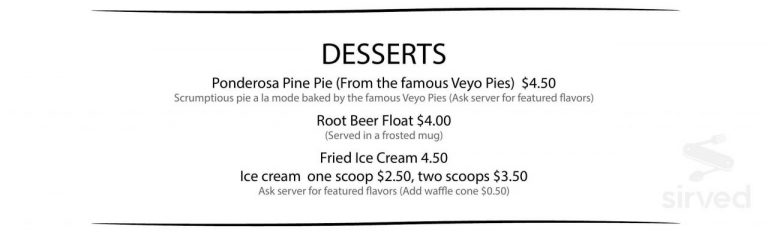
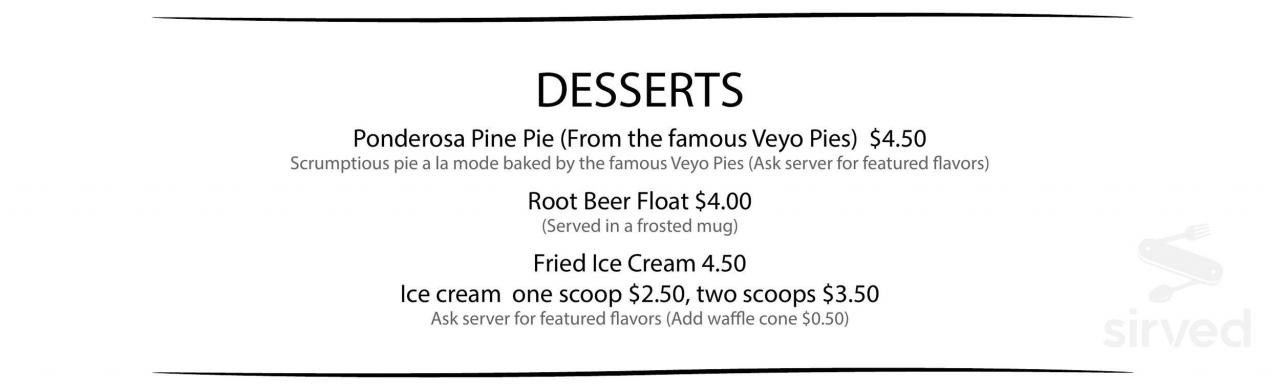
- Desserts: A selection of classic desserts, like crème brûlée, chocolate lava cake, or seasonal fruit tarts, will be available, priced at $8-$12.
Pricing Strategy
The pricing strategy considers both the cost of goods sold (COGS) and desired profit margins. A detailed analysis of each menu item’s ingredient cost will be essential to ensure profitability.
| Menu Item | Estimated Cost | Estimated Price | Profit Margin |
|---|---|---|---|
| Filet Mignon (6oz) | $18 | $45 | 61% |
| New York Strip (8oz) | $15 | $35 | 57% |
| Roasted Asparagus | $5 | $10 | 50% |
| Garlic Mashed Potatoes | $4 | $9 | 56% |
Pricing will be adjusted based on market analysis and competitor pricing to ensure competitiveness.
Ingredient Selection
High-quality ingredients are paramount for an exceptional dining experience. Partnering with local farms and purveyors of premium products will be prioritized. This ensures the best taste and freshness.
- Steak Selection: High-quality, dry-aged beef from reputable suppliers will be prioritized.
- Fresh Produce: Local farms will be utilized for the freshest produce and vegetables.
- Other Ingredients: Premium ingredients like artisanal cheeses, gourmet olive oils, and spices will be used to enhance the flavors.
Wine List
A curated wine list will complement the menu. This will include a variety of selections from different regions, emphasizing both red and white wines.
- Red Wine: A selection of Cabernet Sauvignon, Merlot, Pinot Noir, and Zinfandel will be available.
- White Wine: Chardonnay, Sauvignon Blanc, Pinot Grigio, and Riesling will be offered.
- Pairing Considerations: Wine pairings will be carefully considered to enhance the flavors of the steak and other dishes.
Competitor Analysis
A review of existing iron steakhouse establishments in the area will help determine a competitive pricing structure. Analysis of competitor menus, pricing models, and customer reviews will be critical.
Special Offers & Promotions
Promotions and special offers will be designed to encourage repeat business and attract new customers.
- Happy Hour: Reduced pricing on appetizers and drinks during specific hours.
- Weekend Specials: Special pricing on steaks and sides on weekends.
- Loyalty Programs: Rewarding repeat customers with discounts or exclusive offers.
Restaurant Atmosphere & Experience
Brandin Iron Steakhouse aims to create a sophisticated and inviting dining experience that complements the high-quality steaks and exceptional service. The atmosphere will be warm and welcoming, with a focus on comfort and elegance, to create a memorable evening for every guest.
Desired Ambiance and Atmosphere
The ambiance will be sophisticated and upscale, evoking a sense of refined luxury. The design will blend rustic charm with modern elegance, reflecting the quality and craftsmanship of the steakhouse’s offerings. A curated selection of background music will set a pleasant mood, while ambient lighting will enhance the experience.
Interior Design and Decor Elements
The interior design will feature rich, warm tones, such as deep browns, dark grays, and warm golds, complemented by accents of natural wood and metal. High-quality leather seating and polished tables will create a comfortable and upscale aesthetic. Reclaimed wood accents and exposed brickwork will evoke a sense of rustic charm, adding depth and character to the space.
Statement lighting fixtures, like pendant lights or chandeliers, will highlight the architectural features and add visual interest. Artwork will be carefully selected to complement the overall theme and create a refined ambiance.
Music Selection and Lighting
A curated selection of instrumental music, ranging from smooth jazz to classical, will provide a sophisticated and relaxing backdrop to the dining experience. Music volume will be kept at a level that does not interfere with conversation. Lighting will be strategically positioned to create a warm and inviting ambiance. Dimmed lighting during the evening hours will enhance the romantic atmosphere, while brighter lighting in the daytime will promote a more casual and convivial atmosphere.
Table Arrangement Plan
The table arrangement will optimize space and flow, maximizing the guest experience. Tables will be spaced appropriately to allow for comfortable dining and privacy. Seating arrangements will consider both intimate settings for couples and larger tables for groups. Clear pathways will be maintained to ensure easy movement throughout the restaurant.
Customer Service Protocols
Exceptional customer service is paramount. All staff will be trained in attentive and courteous service protocols. Greeters will welcome guests warmly and promptly, ensuring a seamless entry into the dining experience. Servers will be knowledgeable about the menu and attentive to guest needs, providing prompt and efficient service without being intrusive. Servers will actively engage with guests to ensure satisfaction and address any concerns promptly.
A dedicated team will be responsible for handling special requests and ensuring every guest feels valued.
Unique Dining Experiences and Special Events
The restaurant will host themed dinners and special events. Examples include: a “Chef’s Table” experience, featuring a multi-course tasting menu prepared by the head chef. Another example is a “Wine Pairing Dinner” where a selection of wines will be carefully paired with the steak dishes. Additionally, the restaurant can host private events, such as birthday parties or corporate gatherings, creating tailored experiences to meet specific needs.
Events will feature unique themes and décor to elevate the dining experience. A specific calendar will be available on the website to keep guests updated on upcoming events.
Online Presence & Digital Marketing
A strong online presence is crucial for the success of Brandin Iron Steakhouse. This involves creating a user-friendly website, engaging social media strategies, and effective digital marketing campaigns to attract and retain customers. A robust online presence allows the steakhouse to connect with potential customers, build brand loyalty, and drive sales.A well-designed website and active social media platforms provide an excellent avenue for communicating the steakhouse’s brand identity, showcasing its culinary offerings, and providing excellent customer service.
Website Layout
A website is the digital storefront for Brandin Iron Steakhouse. The layout should be clean, modern, and easy to navigate. Key features should include a visually appealing homepage showcasing the restaurant’s ambiance and menu highlights. A dedicated “About Us” page should explain the restaurant’s mission and values, while a “Menu” page should feature high-quality images of dishes, descriptions, and pricing.
A “Reservations” page should allow customers to book tables easily. A blog section can feature articles about steak cuts, cooking techniques, or local events, demonstrating expertise and building trust. A contact page with clear contact information, including phone number and email address, should be readily available. The website should be responsive, adapting seamlessly to different devices (computers, tablets, and smartphones).
Social Media Strategy
Social media platforms are essential for engaging with potential customers. A targeted social media strategy is necessary to maximize reach and engagement. The restaurant should leverage platforms like Instagram, Facebook, and potentially TikTok to share visually appealing content.
- Instagram: Focus on high-quality images and videos of the food, restaurant ambiance, and staff. Use engaging captions, stories, and interactive polls to connect with followers. Run contests and giveaways to boost engagement.
- Facebook: Use Facebook to post updates, news, and promotions. Create engaging posts about the restaurant’s history, special events, or upcoming promotions. Run targeted ads to reach specific demographics.
- TikTok: If appropriate for the brand, use TikTok to create short, creative videos showcasing the preparation of dishes, chef interviews, behind-the-scenes glimpses, or customer testimonials. Use trending sounds and hashtags to maximize visibility.
Online Advertising
Online advertising can significantly expand Brandin Iron Steakhouse’s reach. Targeted advertising campaigns on platforms like Google Ads and social media can help reach potential customers interested in steakhouse dining. Consider using location-based targeting to attract customers in the immediate vicinity.
Email Marketing
Email marketing is a cost-effective way to nurture customer relationships and drive repeat business. A signup form on the website should collect email addresses for subscribers. Send newsletters featuring new menu items, special offers, and upcoming events. Use email marketing to follow up with customers who have made reservations or visited the restaurant in the past.
Managing Online Reviews and Reputation
Monitoring and responding to online reviews is vital for maintaining a positive reputation. Respond promptly to both positive and negative reviews, demonstrating customer service and addressing concerns effectively. Encourage satisfied customers to leave reviews on platforms like Google My Business, Yelp, and TripAdvisor. Address any negative reviews professionally and with empathy. Use this feedback to identify areas for improvement.
Digital Tools for Tracking Performance
Utilizing digital tools is essential for measuring the effectiveness of marketing campaigns. Platforms like Google Analytics can track website traffic, user engagement, and conversion rates. Social media analytics tools provide insights into post performance, audience engagement, and campaign effectiveness.
Essential Online Marketing Tools
- Website Builder (e.g., Wix, Squarespace): Essential for creating a user-friendly online presence.
- Social Media Management Tools (e.g., Hootsuite, Buffer): Streamline scheduling and monitoring of social media posts.
- Email Marketing Platforms (e.g., Mailchimp, Constant Contact): Efficiently manage email campaigns and customer communications.
- Online Advertising Platforms (e.g., Google Ads, Facebook Ads): Reach a wider audience with targeted campaigns.
- Analytics Tools (e.g., Google Analytics, social media analytics): Track campaign performance and measure ROI.
Content Ideas for Social Media
- Behind-the-Scenes Content: Showcase the preparation of signature dishes, the restaurant’s atmosphere, and staff interactions.
- Customer Testimonials: Share positive reviews and testimonials from satisfied customers.
- Special Offers and Promotions: Announce new menu items, discounts, and events.
- Food Photography and Videos: Showcase high-quality images and videos of dishes to entice potential customers.
- Interactive Content: Engage followers with polls, quizzes, and Q&A sessions.
Best Practices for Engaging Content
High-quality images and videos are essential. Use a consistent brand voice and visual style across all platforms. Respond to comments and messages promptly. Engage with relevant hashtags and trending topics. Encourage user-generated content by running contests or asking for feedback.
Schedule posts in advance to maintain consistency.
Operations & Management
Iron Steakhouse operations require meticulous planning and execution to ensure a seamless customer experience and profitability. Effective management of inventory, orders, staff, finances, and potential partnerships are critical to success. This section details the key operational elements.
Essential Operational Aspects
The success of the Iron Steakhouse hinges on several operational facets. These include precise scheduling, timely order fulfillment, efficient inventory control, and effective staff management. Consistent adherence to quality standards is paramount.
Inventory Management Strategies
Proper inventory management is vital for minimizing food waste and ensuring consistent ingredient quality. A robust system tracks stock levels, identifies potential shortages, and facilitates timely reordering. This includes using a perpetual inventory system, which continuously updates inventory levels, and regular stocktaking. Ordering supplies in bulk can offer price advantages, but should be balanced with storage space limitations.
- Just-in-time inventory management minimizes holding costs and reduces the risk of spoilage by ordering ingredients only as needed. This strategy requires accurate sales forecasting and reliable supplier relationships.
- First-in, first-out (FIFO) method is critical for perishable items. This ensures the oldest ingredients are used first, minimizing the risk of waste and maintaining food safety.
Customer Order Handling Process
A well-defined process for handling customer orders is essential for minimizing errors and ensuring timely service. This includes clear communication protocols, order confirmation systems, and procedures for handling special requests or substitutions. This will also reduce customer wait times and improve overall satisfaction.
- Order taking should be precise and efficient. Clear protocols for recording orders, including specifying cuts, cooking preferences, and sides, will avoid confusion.
- Kitchen communication relies on standardized methods to ensure orders are accurately prepared. A standardized system for order confirmation and communication between kitchen staff and service staff will enhance accuracy.
Staffing Plan
A well-structured staffing plan is crucial for ensuring adequate coverage and optimal service. This includes scheduling considerations, staff training, and clear job descriptions. Hiring experienced staff, providing adequate training, and encouraging team collaboration are key to successful staff management.
- Staffing levels should be flexible and responsive to fluctuating customer demand. Peak hours, such as evenings and weekends, require more staff to manage the influx of customers.
- Cross-training staff on multiple roles enhances flexibility and allows for efficient coverage during peak periods. This will enable staff to manage different tasks and help maintain service quality.
Financial Management & Bookkeeping
Implementing robust financial management and bookkeeping systems is essential for monitoring expenses, tracking revenue, and making informed business decisions. This includes accurate record-keeping, regular financial reporting, and careful monitoring of profit margins.
- Accounting software automates financial tasks, generating reports and simplifying bookkeeping. Using such software ensures efficiency and accuracy in financial management.
- Budgeting is critical for controlling expenses and achieving profitability goals. A well-defined budget helps in monitoring expenditures and making informed decisions.
Potential Partnerships & Collaborations
Strategic partnerships can enhance the Iron Steakhouse’s offerings and expand its reach. This could include collaborations with local farmers for fresh produce, suppliers for high-quality meats, or complementary businesses in the area.
- Local farmers can provide fresh produce, ensuring quality and supporting the community.
- Meat suppliers offering high-quality cuts will improve the dining experience.
Successful Restaurant Management Techniques
Effective restaurant management involves optimizing operations, enhancing efficiency, and exceeding customer expectations. These include implementing customer feedback systems, utilizing data analytics to track key performance indicators (KPIs), and consistently striving for operational excellence. These techniques can improve efficiency, increase profitability, and enhance customer experience.
- Employee engagement is essential for motivation and productivity. Recognizing and rewarding employees fosters a positive work environment and enhances staff performance.
Location & Accessibility
Choosing the right location is critical for the success of Brandin Iron Steakhouse. A well-chosen location will attract customers, enhance brand visibility, and ultimately drive profitability. Careful consideration must be given to the surrounding environment, demographics, and competitive landscape.A strategically located restaurant will benefit from high foot traffic, visibility, and accessibility. This is crucial for a steakhouse aiming to build a loyal customer base and maximize revenue potential.
Ideal Location Characteristics
Selecting a prime location is key to success. Proximity to residential areas, high-traffic commercial zones, or established entertainment hubs is often advantageous. Consideration should also be given to the target demographic, ensuring the location resonates with the intended customer base. Analyzing local demographics, including age groups, income levels, and dietary preferences, is essential. Understanding the local community’s preferences and the surrounding businesses can help determine the best location for Brandin Iron Steakhouse.
Accessibility and Parking
Accessibility is paramount. The location should be easily accessible by various modes of transportation, including cars, public transit, and walking. Sufficient and convenient parking options are vital for attracting customers who arrive by car. Researching parking regulations, availability, and potential costs associated with parking permits or fees is essential. Ensuring a smooth and convenient parking experience for patrons is key to customer satisfaction.
Community and Surrounding Businesses
Consider the local community and its dynamics when selecting a location. Compatibility with the surrounding businesses and community spirit is essential. Analyzing the character of the surrounding environment, including the overall aesthetic, atmosphere, and local events, can significantly influence the success of the restaurant. The community’s demographics, interests, and local events should be considered. For example, a restaurant located near a university campus or a major convention center will likely attract a different clientele than one located in a residential neighborhood.
Successful Restaurant Locations
Several successful restaurants have demonstrated the importance of strategic location. For example, restaurants situated near major attractions, such as museums or stadiums, often experience high foot traffic. Restaurants located in vibrant commercial areas with other businesses, such as shops and offices, frequently attract a diverse clientele. Successful restaurants often take advantage of prime locations in high-density areas.
Another notable example is restaurants near entertainment districts, which benefit from high foot traffic and a lively atmosphere.
Example Locations
| Location | Description | Pros | Cons |
|---|---|---|---|
| Downtown Core | High visibility, excellent accessibility | High foot traffic, diverse customer base | High rent costs, intense competition |
| Residential Neighborhood | Strong community ties, potentially lower rent | Loyal customer base, relaxed atmosphere | Lower foot traffic, limited visibility |
| Shopping Mall | High foot traffic, captive audience | Convenient location, easy access | High rent costs, potential competition |
Sustainability & Ethics
At Brandin Iron Steakhouse, we recognize the importance of operating in an environmentally responsible and ethically sound manner. Our commitment extends beyond delicious food to include minimizing our impact on the planet and ensuring fair treatment for all involved in our supply chain. This commitment is integral to our brand identity and resonates with our target clientele.
Eco-Friendly Practices
Sustainable practices are crucial for long-term success and a positive brand image. Implementing eco-friendly measures in our restaurant operations will help us to reduce our environmental footprint and enhance our brand’s reputation for sustainability.
- Energy Efficiency: Implementing energy-efficient lighting, appliances, and HVAC systems will reduce our reliance on fossil fuels and lower operating costs.
- Water Conservation: Implementing water-saving fixtures and techniques, such as low-flow faucets and efficient dishwashing systems, will minimize water usage.
- Waste Reduction: We will prioritize waste reduction by implementing a comprehensive waste management program, including composting organic waste and recycling materials.
- Sustainable Sourcing of Supplies: Our procurement procedures will prioritize locally-sourced ingredients and products whenever possible, reducing transportation emissions and supporting local economies.
Ethical Sourcing of Ingredients and Materials
Our commitment to ethical sourcing extends to all aspects of our ingredient and material procurement. We aim to create a supply chain that supports fair labor practices and environmental responsibility.
- Animal Welfare: We will partner with farms that prioritize animal welfare, ensuring humane treatment throughout the animal’s life cycle. This will involve a transparent evaluation of animal treatment on our supplier farms.
- Sustainable Agriculture: We will source our produce from farms that practice sustainable agricultural techniques, such as reducing water usage and minimizing pesticide use. This will be ensured by working with certified sustainable farms.
- Fair Labor Practices: We will verify that our suppliers comply with fair labor standards, ensuring fair wages and safe working conditions for all workers in our supply chain.
Sustainable Packaging
Sustainable packaging is an important aspect of minimizing our environmental impact. We will explore various options to reduce our reliance on single-use plastics.
- Biodegradable Options: We will transition to biodegradable and compostable packaging options for takeout orders and delivery, minimizing plastic waste.
- Reusable Packaging: We will implement a system for reusable containers and packaging for customers who opt for them, reducing the amount of waste going to landfills.
- Reducing Packaging: We will assess the need for packaging for each item, and remove packaging where possible.
Minimizing Waste
Waste minimization is critical for our environmental impact. A comprehensive waste management strategy is crucial for minimizing our ecological footprint.
- Food Waste Reduction: Implementing strategies for minimizing food waste, such as portion control, precise inventory management, and utilizing leftovers creatively, will reduce the amount of food ending up in landfills.
- Composting: Composting food scraps and other organic waste will reduce landfill waste and create nutrient-rich compost for use in gardens or landscaping.
- Recycling Programs: We will establish robust recycling programs to ensure proper recycling of paper, glass, and other recyclable materials.
Examples of Sustainable Practices in Similar Restaurants
Many successful restaurants have demonstrated successful sustainability practices. Examining these models can provide valuable insights.
- Farm-to-Table Concepts: Restaurants utilizing farm-to-table approaches often reduce their environmental impact by sourcing ingredients from local farms, decreasing transportation emissions.
- Composting Initiatives: Implementing composting programs is a widely recognized strategy for reducing food waste and promoting sustainability.
- Zero-Waste Strategies: Restaurants adopting zero-waste strategies often significantly reduce their environmental footprint through comprehensive waste management systems.
Future Growth & Expansion
Brandin Iron Steakhouse aims for sustained growth and a strong market presence by proactively exploring diverse expansion avenues. A strategic approach to scaling the business will be crucial to ensure profitability and maintain the brand’s unique identity. This includes identifying strategic partnerships and anticipating evolving trends in the dining industry.
Potential Expansion Avenues
Brandin Iron Steakhouse can broaden its offerings beyond its core steakhouse experience. This can include introducing seasonal menus featuring locally sourced ingredients, or expanding the menu to encompass other high-quality meats, seafood, and vegetarian options. This strategic diversification allows the restaurant to cater to a wider range of customer preferences. Additionally, considering brunch options, or a late-night menu to expand its operational hours and customer base is a possibility.
Strategies for Scaling the Business
Scaling the business involves a multifaceted approach, emphasizing efficiency and cost-effectiveness. Key strategies include optimizing kitchen workflows, implementing robust inventory management systems, and developing a dedicated training program for staff to maintain consistent quality and service standards. Implementing a point-of-sale system that integrates with online ordering platforms, and a loyalty program to encourage repeat business are also critical to scaling effectively.
Restaurant management software can streamline operations and provide data-driven insights for decision-making.
Potential Partnerships
Strategic alliances can significantly boost growth. Partnering with local farms or producers can ensure consistent sourcing of high-quality ingredients, while collaborations with complementary businesses, such as wineries or breweries, can expand the customer base and provide unique dining experiences. A partnership with a catering company can open doors for corporate events and special occasions, and collaborations with local businesses for cross-promotional activities are also promising.
Future Trends in the Dining Industry
The dining industry is constantly evolving, influenced by consumer preferences and technological advancements. Experiential dining, incorporating immersive elements like curated ambiance and unique dining settings, is gaining traction. Sustainability is also a key trend, with increasing demand for environmentally conscious practices and locally sourced ingredients. The integration of technology, such as online ordering and reservation systems, is also crucial for efficiency and convenience.
Examples like restaurants incorporating augmented reality experiences or utilizing drone delivery systems are demonstrating the integration of technology in dining. The adoption of digital platforms, contactless payment options, and personalized customer experiences is another significant trend.
Ending Remarks
In conclusion, building Brandin Iron Steakhouse by owner requires a holistic approach, addressing brand identity, menu strategy, atmosphere, online presence, operations, location, sustainability, and future growth. By carefully considering each aspect, the owner can create a thriving steakhouse that resonates with its target audience and stands out in the competitive market. A robust online presence is essential, and a consistent brand image across all platforms is key to success.
Common Queries
What are some common mistakes to avoid when opening a steakhouse?
Overlooking the importance of thorough market research, underestimating operational costs, and neglecting customer feedback can lead to challenges. A strong financial plan and a flexible approach to managing unexpected events are vital.
What is a good profit margin for a steakhouse?
Profit margins vary depending on the market and pricing strategies. It’s essential to calculate the cost of goods, labor costs, and overhead to determine a sustainable and competitive profit margin.
How important is online reputation management for a steakhouse?
Managing online reviews and responding to customer feedback effectively is crucial. Addressing negative reviews constructively and highlighting positive experiences can significantly influence customer perception and brand loyalty.
What are some innovative ways to make the steakhouse stand out from competitors?
Unique menu items, special events, and exceptional customer service can help differentiate the steakhouse. Highlighting the quality of ingredients and the story behind the brand can also attract customers.