April 17, 2026

admin

Crypto mining courses in the USA set the stage for an engaging exploration into the world of digital currencies and the technology that drives them. These courses provide prospective students with the essential knowledge and skills needed to navigate the complexities of crypto mining, an industry that has gained immense popularity and relevance in recent years. The educational landscape encompasses a variety of formats, institutions, and curricula designed to cater to both beginners and seasoned professionals looking to enhance their expertise.

As the demand for skilled individuals in the crypto mining field continues to grow, these courses play a crucial role in equipping learners with the tools necessary to succeed. From understanding the technical aspects to exploring career opportunities, crypto mining education is an invaluable asset in today’s tech-driven marketplace.

Overview of Crypto Mining Courses in the USA

In recent years, the surge in cryptocurrency popularity has led to an increasing demand for skilled professionals in crypto mining. Crypto mining courses provide essential knowledge about the technical and operational aspects of mining cryptocurrencies, catering to both beginners and those looking to enhance their skills. These courses often cover blockchain technology, mining hardware, software configuration, and market analysis.Several key institutions are now offering specialized crypto mining courses across the United States, including universities, community colleges, and online learning platforms.

Institutions like the University of California, Berkeley, and various online platforms are paving the way for this emerging field. Education in crypto mining is crucial as it equips individuals with the necessary skills to navigate the complexities of this evolving industry effectively.

Types of Crypto Mining Courses Available

The variety of formats available for crypto mining courses allows learners to choose what best fits their schedules and learning preferences. These include:

  • Online Courses: Accessible from anywhere, these courses often allow for self-paced learning, which is ideal for those with busy schedules.
  • In-Person Classes: These provide a more hands-on approach, allowing direct interaction with instructors and peers.
  • Workshops: Short, intensive sessions that focus on specific skills or technologies in crypto mining.

The subject matter covered in these courses typically includes:

  • Blockchain fundamentals
  • Mining hardware and software
  • Energy consumption and cost analysis
  • Market dynamics and profitability analysis

When comparing short-term and long-term programs, short-term courses are usually focused on specific skills or technologies, while long-term courses often provide a comprehensive curriculum that covers a broader range of topics, preparing students for various roles in the industry.

Prerequisites for Enrolling in Crypto Mining Courses

Before enrolling in a crypto mining course, prospective students should be aware of the technical skills required. A basic understanding of computer systems, networking, and blockchain technology is essential. An educational background in IT, computer science, or engineering can be beneficial but is not always mandatory. Additionally, familiarity with various operating systems and programming languages may enhance the learning experience.Knowledge of hardware components, such as GPUs and ASICs, as well as software for mining and wallet management, is also advantageous prior to enrollment.

This foundational knowledge will help students better grasp the course content and engage in more complex discussions.

Course Curriculum and Structure

A typical crypto mining course syllabus includes standard topics that provide students with a well-rounded understanding of the field:

  • Introduction to Cryptocurrency and Blockchain
  • Mining Hardware: Setup and Configuration
  • Mining Software: Installation and Optimization
  • Economic and Environmental Impact of Mining

Many courses incorporate project-based learning, allowing students to apply their knowledge practically. For instance, a course may require students to set up a mining rig or analyze the profitability of mining a particular cryptocurrency.Assessment methods often include quizzes, practical projects, and final exams. These evaluations are designed to gauge student understanding and readiness to enter the professional world.

Costs and Financial Considerations

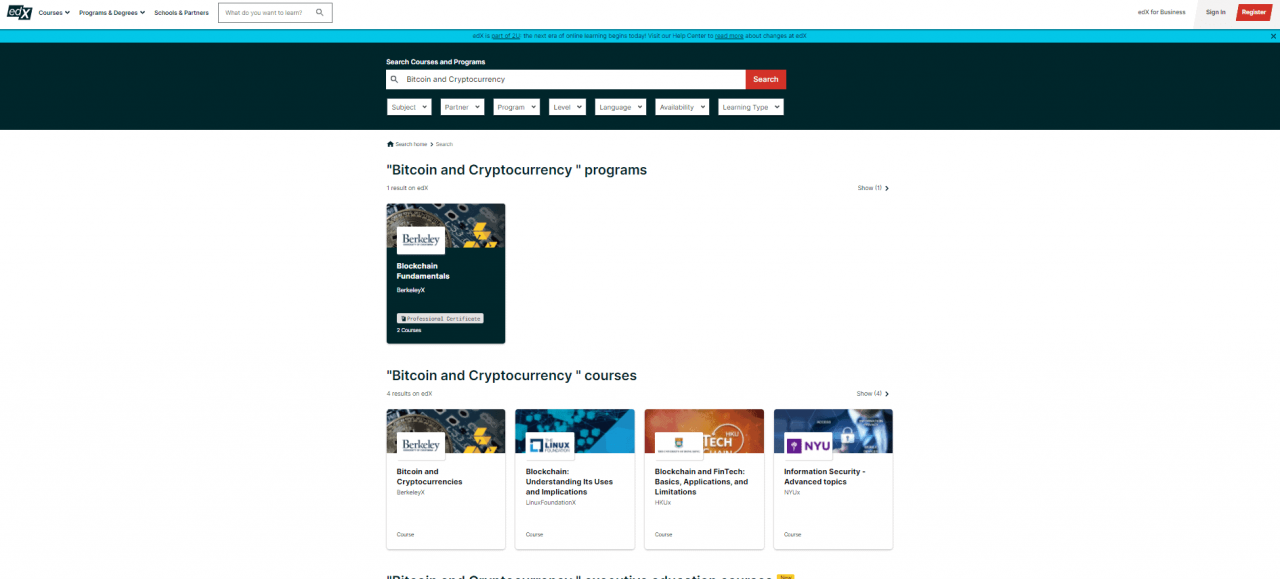
11+ Best Cryptocurrency Courses For Beginners In 2025

The average tuition fees for crypto mining courses can vary significantly depending on the institution and the course format. Online courses typically range from a few hundred to a couple of thousand dollars, while in-person classes may be higher due to additional resources and facilities.Potential scholarships and financial aid options are increasingly becoming available as educational institutions recognize the growing importance of cryptocurrency education.

Many online platforms also offer payment plans to make courses more accessible.When comparing the costs of online versus on-campus courses, online programs tend to be more economical, eliminating expenses related to commuting and accommodation.

Career Opportunities After Completing Crypto Mining Courses

Best Online Crypto Trading Courses in 2025 For Beginners (Free and Paid)

Graduates of crypto mining courses have access to a variety of job roles within the industry. These can include:

  • Mining Engineer
  • Blockchain Developer
  • Cryptocurrency Analyst
  • Technical Consultant for Mining Operations

The potential salary ranges for jobs in the crypto mining industry can be quite lucrative, with entry-level positions starting at around $60,000 per year, while experienced professionals can earn upwards of $120,000 annually.Testimonials from graduates often highlight significant career progression, with many reporting promotions or new job opportunities shortly after completing their courses, thanks to the specialized knowledge they gained.

Future Trends in Crypto Mining Education

As the field of crypto mining continues to evolve, so does the landscape of education surrounding it. Emerging technologies, such as AI and machine learning, are likely to influence course offerings, providing students with insights into optimizing mining operations and predicting market trends.Regulatory changes are also anticipated to impact crypto mining education significantly. As governments introduce new regulations, educational institutions may need to adapt their curriculums to include compliance and legal frameworks surrounding cryptocurrency operations.

Resources for Further Learning

For those interested in expanding their knowledge beyond formal courses, there are numerous resources available:

  • Books: Titles such as “Mastering Bitcoin” by Andreas M. Antonopoulos offer in-depth insights into the technology.
  • Websites: Platforms like CoinDesk and CryptoSlate provide up-to-date news and analysis.
  • Forums: Online communities like BitcoinTalk and Reddit’s r/CryptoMining are excellent for networking and support.

Additional certifications, such as those offered by the Blockchain Training Alliance, can complement crypto mining education and provide a competitive edge in the job market.

Closing Notes

In summary, crypto mining courses in the USA offer a comprehensive pathway for those eager to dive into the lucrative field of cryptocurrency. With a variety of options available, including online and in-person formats, aspiring miners can choose the learning experience that best suits their needs. As technology and regulations continue to evolve, staying informed through these educational programs will undoubtedly empower future professionals in the crypto mining industry.

Frequently Asked Questions

What is the duration of crypto mining courses?

Course durations vary widely, ranging from a few weeks for introductory workshops to several months for comprehensive programs.

Are there any prerequisites for enrolling in these courses?

While many courses welcome beginners, having a basic understanding of computer science or IT can be advantageous.

Do online courses offer the same quality as in-person classes?

Yes, many online courses provide high-quality content and interactive elements comparable to traditional classroom settings.

What software or tools will I need for the courses?

Students may need access to specific mining software, a computer with adequate processing power, and an internet connection.

Can I find scholarships for crypto mining courses?

Yes, some institutions offer scholarships or financial aid options specifically for students pursuing programs in cryptocurrency and blockchain technology.

Kicking off with cryptocurrency courses dubai, this vibrant landscape of education is rapidly gaining traction as individuals seek to understand the intricacies of digital currencies and blockchain technologies. With financial innovation at its peak, these courses offer a unique opportunity for both newcomers and seasoned professionals to dive into the world of cryptocurrencies.

The demand for knowledgeable individuals in this field has surged, prompting various institutions in Dubai to offer structured programs tailored to meet diverse learning needs. From beginners yearning to grasp the basics to advanced learners looking to refine their trading strategies, the array of courses available caters to a wide audience, fueling a growing interest in cryptocurrency as a viable investment and career path.

Overview of Cryptocurrency Courses in Dubai

In recent years, Dubai has emerged as a pivotal hub for cryptocurrency education, owing to its strategic location and progressive regulatory environment. The rise of cryptocurrency courses reflects the growing demand for skilled professionals in this innovative sector. As businesses and individuals increasingly recognize the potential of blockchain technology, the importance of formal education in this field has also surged.Several key institutions in Dubai are leading the way in cryptocurrency education.

Prominent universities and training centers offer a range of programs designed to cater to the diverse needs of learners. The target audience for these courses includes tech enthusiasts, finance professionals, and entrepreneurs looking to enhance their understanding of digital currencies for personal or business use.

Types of Cryptocurrency Courses Available

A variety of cryptocurrency courses are available in Dubai, catering to different levels of expertise, from beginners to advanced learners. These courses can broadly be classified into short-term certification programs and long-term degree programs.

  • Short-term certification courses are designed for individuals seeking to quickly acquire foundational knowledge or specific skills.
  • Long-term degree programs, on the other hand, provide a more comprehensive understanding of cryptocurrency and blockchain technology, often culminating in a recognized qualification.

Popular topics covered in these courses include:

  • Blockchain technology fundamentals
  • Cryptocurrency trading strategies
  • Regulatory frameworks and compliance
  • Smart contracts and decentralized applications (DApps)
  • Risk management in crypto trading

Learning Outcomes and Skills Acquired

Cryptocurrency คืออะไร? - ข่าว it วันนี้ ข่าวมือถือ รีวิวเทคโนโลยี ข่าว ...

Participants in cryptocurrency courses can expect to gain a wide range of skills that are essential for navigating the cryptocurrency market. Key skills include understanding blockchain architecture, analyzing market trends, and applying trading strategies effectively.Practical applications of these skills are numerous. For instance, graduates can leverage their knowledge to make informed investment decisions, develop blockchain-based applications, or even work in compliance and regulatory roles within financial institutions.

Hands-on projects and simulations are integral components of many courses, allowing participants to engage in real-world scenarios and enhance their learning experience.

Costs and Financial Considerations

The costs associated with enrolling in cryptocurrency courses in Dubai can vary significantly, depending on the institution, course length, and level of complexity. On average, participants might expect to pay anywhere from a few hundred to several thousand dollars for comprehensive programs.Financing options are available to help alleviate the financial burden. Scholarships, installment plans, and employer sponsorships are common avenues that can make these courses more accessible.

Below is a table illustrating different pricing structures for various courses:

Course Type Duration Price (in AED)
Short-Term Certification 2 weeks 2,500 – 5,000
Advanced Certification 6 months 10,000 – 15,000
Bachelor’s Degree in Blockchain Technology 3 years 40,000 – 60,000

Career Opportunities after Completing Courses

Completing a cryptocurrency course opens up a range of career paths in various sectors. Graduates often find roles as cryptocurrency analysts, blockchain developers, compliance officers, and financial consultants. Statistics indicate a promising job placement success rate for alumni of these programs, with many securing positions in leading tech firms and financial institutions. The growing demand for cryptocurrency knowledge is also impacting current job roles, enhancing career prospects for professionals in finance and technology sectors.

Tips for Choosing the Right Cryptocurrency Course

When selecting a cryptocurrency program, potential students should consider several criteria to ensure they choose the right fit. A checklist of essential factors includes:

  • Accreditation and reputation of the institution
  • Curriculum relevance and comprehensiveness
  • Instructor qualifications and industry experience
  • Student support services and resources
  • Flexibility of course delivery (online vs. in-person)

Assessing the credibility and quality of course providers is vital. Prospective students should research reviews, testimonials, and alumni success stories to gauge the effectiveness of the program. A comparison chart highlighting features of popular courses available in Dubai can also assist in making an informed decision, ensuring that learners choose a program that aligns with their career goals and educational needs.

Future Trends in Cryptocurrency Education

Altcoins could provide a green solution to energy-guzzling ...

Emerging trends in cryptocurrency education, such as online learning platforms and micro-credentials, are reshaping the landscape of how knowledge is imparted in this field. The shift towards digital learning allows for greater accessibility and flexibility, attracting a wider audience.Regulatory changes are also expected to influence course content and delivery methods. Institutions may need to adapt their curricula to incorporate new compliance requirements and industry standards.Looking ahead, predictions suggest that cryptocurrency education in Dubai will continue to evolve, driven by technological advancements and increasing public interest in blockchain and digital currencies.

Over the next decade, a more sophisticated and comprehensive educational framework is anticipated, catering to the growing demand for skilled professionals in this dynamic sector.

Ending Remarks

In conclusion, cryptocurrency courses in Dubai not only equip participants with essential skills but also open doors to exciting career opportunities in a rapidly evolving market. As the demand for cryptocurrency knowledge continues to rise, those who invest in their education will undoubtedly find themselves well-positioned to thrive in this dynamic industry.

Expert Answers

What prerequisites are needed for cryptocurrency courses?

Most courses do not require prior knowledge, although a basic understanding of finance can be beneficial.

Are there online options for cryptocurrency courses in Dubai?

Yes, many institutions offer online courses that provide flexibility for learners.

How long do cryptocurrency courses typically last?

Course durations vary, ranging from a few weeks for certification courses to several months for degree programs.

Is there certification upon course completion?

Yes, most courses provide a certificate that can enhance your resume and career prospects.

What career opportunities can arise from taking these courses?

Graduates can explore roles in trading, advisory services, blockchain development, and more within the finance and tech sectors.

As xrp company worth takes center stage, this opening passage beckons readers into a world crafted with good knowledge, ensuring a reading experience that is both absorbing and distinctly original.

XRP has emerged as a significant player in the blockchain industry, rooted in a history of innovation and community engagement. Understanding its company worth involves delving into its financial health, competitive landscape, and the various factors driving its value in a rapidly evolving market.

Overview of XRP Company

XRP, an innovative player in the blockchain space, was founded with the vision of transforming the financial system through distributed ledger technology. The company emerged from the need for a more efficient and inclusive financial ecosystem, aiming to enable fast and cost-effective cross-border transactions. Its foundational values emphasize transparency, accountability, and technological advancement, guiding its operations and development.Key leaders at XRP include co-founder Chris Larsen and CEO Brad Garlinghouse, both of whom have extensive backgrounds in technology and finance.

Their leadership is supported by a diverse team of experts who leverage their skills to drive the organization forward. XRP’s primary mission is to provide a more efficient payment infrastructure for financial institutions, while its vision encompasses a future where blockchain technology is the backbone of global finance.

Financial Assessment of XRP

How Much XRP Should I Own | Robots.net

As of recent evaluations, the market capitalization of XRP hovers around several billion dollars, positioning it as one of the leading cryptocurrencies. This valuation is influenced by various financial health indicators, such as trading volumes, liquidity, and investor sentiment, which all contribute to XRP’s perceived worth.The financial standing of XRP is bolstered by multiple revenue streams, including transaction fees, partnerships with banks and financial institutions, and the RippleNet network, which serves as a platform for global payments.

The combination of these income sources reflects XRP’s robust financial health and its strategic positioning within the cryptocurrency landscape.

Comparison with Competitors

In comparison to other cryptocurrencies like Bitcoin and Ethereum, XRP holds a unique space characterized by its focus on facilitating cross-border payments. Its worth is evaluated against these competitors, not only in terms of market capitalization but also growth potential.XRP’s growth trajectory has shown resilience and adaptability, especially as it continues to innovate within the blockchain space. Its unique selling propositions, including low transaction costs and rapid processing times, set it apart from its competitors, making it a preferred choice for many financial institutions.

Market Trends and Projections

Current market trends indicate a growing acceptance of cryptocurrencies, which may positively influence XRP’s value in the near future. The increasing integration of blockchain technology in traditional finance is likely to pave the way for broader adoption of XRP.There are several potential future events that could significantly affect XRP’s worth, including regulatory developments, technological advancements, and strategic partnerships. Historically, market factors such as market sentiment, institutional investments, and global economic conditions have played crucial roles in shaping XRP’s valuation.

Regulatory Environment

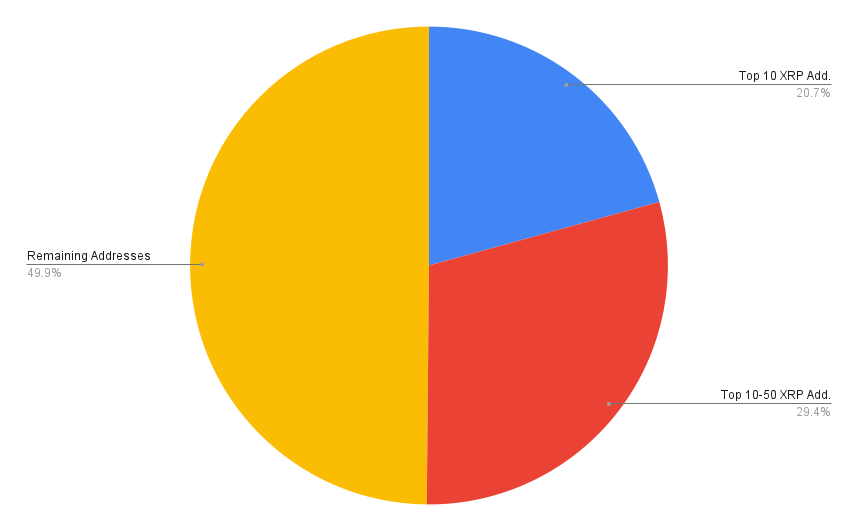
XRP Rich List: Who Are the Top XRP Holders in 2023? - CoinCheckup

XRP faces a complex legal and regulatory landscape, particularly in the United States, where it has encountered challenges that may affect its market worth. The ongoing legal proceedings with the SEC are pivotal, as the outcomes could set precedents for how cryptocurrencies are regulated.Key regulations affecting the cryptocurrency sector include anti-money laundering laws and securities regulations. XRP’s compliance efforts demonstrate its commitment to adhering to legal standards, positioning it as a responsible player in the industry.

Recent legal decisions have underscored the importance of regulatory clarity, which will impact XRP’s future financial standing.

Community and Ecosystem Engagement

XRP’s community initiatives, including educational programs and outreach efforts, significantly influence its market worth. The active involvement of the community fosters trust and loyalty, driving engagement and adoption.Partnerships and collaborations with financial institutions enhance XRP’s market presence, making it a viable option for businesses looking to leverage blockchain technology. Community-driven projects, such as local cryptocurrency meetups and development initiatives, further support XRP’s growth and value, showcasing a united effort towards advancing the ecosystem.

Technological Innovations

XRP has developed several unique technologies that enhance its market value, particularly in transaction speed and scalability. Its consensus algorithm allows for rapid transaction confirmations, making it suitable for high-volume payments.The scalability features of XRP’s blockchain enable it to handle a large number of transactions seamlessly, positioning it as a reliable alternative for financial institutions. Future technological advancements, such as enhanced interoperability with other blockchain networks, could further impact XRP’s worth by expanding its utility and adoption in various sectors.

Conclusive Thoughts

In summary, grasping the worth of XRP encompasses a multitude of aspects ranging from market trends to regulatory influences. As the cryptocurrency landscape continues to shift, the future of XRP remains an exciting topic to watch, promising engaging developments for investors and enthusiasts alike.

Question Bank

What is the current market capitalization of XRP?

The current market capitalization of XRP varies, so it’s best to check a reliable financial news source for real-time data.

How does XRP’s worth compare to Bitcoin?

XRP’s worth is generally lower than Bitcoin’s, but it serves different use cases in the blockchain realm.

What regulatory challenges does XRP face?

XRP has faced legal scrutiny primarily related to its classification as a security, impacting its market worth.

What are key revenue streams for XRP?

XRP generates revenue through transaction fees and partnerships with financial institutions.

How does community engagement affect XRP’s value?

Community initiatives and partnerships enhance XRP’s visibility and user adoption, which can positively influence its market value.

Business news today sri lanka reveals a dynamic landscape, characterized by significant developments across various sectors. As the country navigates economic challenges and opportunities, understanding the latest trends and insights becomes essential for stakeholders.

From innovative startups to major corporate restructurings, the current business environment reflects a blend of resilience and growth potential. This overview captures vital statistics, government policies, and key corporate announcements that are shaping the future of Sri Lanka’s economy.

Overview of Business News in Sri Lanka

The current landscape of business news in Sri Lanka reflects a nation navigating through economic challenges and opportunities. With a focus on recovery from recent crises, several industries are emerging as key players shaping the business environment. The sectors of tourism, agriculture, and technology are particularly influential, with tourism showing signs of rebound post-pandemic.Recent statistics indicate mixed results in business growth.

The tourism sector reported a year-on-year increase of 45% in visitor arrivals, while the agricultural sector faced a 10% decline due to unfavorable weather conditions. As the country strives for economic stability, understanding these dynamics becomes crucial for stakeholders.

Key Developments in the Economy

The Sri Lankan government has introduced several economic policies aimed at revitalizing the economy. Recent measures include tax incentives for small and medium enterprises (SMEs) and increased funding for infrastructure projects. These steps are designed to foster entrepreneurship and stimulate local production.Foreign investments have been increasingly significant, with several international companies entering the market. This influx of capital is expected to create new jobs and boost innovation within local businesses.

However, global economic trends, such as inflation and changing trade dynamics, continue to pose challenges for Sri Lanka, requiring businesses to adapt swiftly to remain competitive.

Significant Corporate Announcements

Recent corporate activity has been marked by notable mergers and acquisitions. A prominent example is the merger between two local telecommunications companies, which is anticipated to enhance service offerings and reduce operational costs. Additionally, several local firms have launched innovative products aimed at both local and international markets, showcasing the resilience and creativity of Sri Lankan entrepreneurs.Corporate restructuring efforts are also evident, as established companies look to streamline operations and improve efficiency.

This trend is particularly prominent in the retail sector, where companies are embracing e-commerce solutions to better meet consumer demands.

Financial Market Updates

The stock market performance in Sri Lanka has shown signs of recovery, with the Colombo Stock Exchange witnessing a 15% increase in the past quarter. This growth is attributed to investor confidence and improved corporate earnings reports. Changes in interest rates, particularly a recent reduction by the Central Bank, are also influencing business operations positively by lowering borrowing costs.Currency fluctuations have been significant, with the Sri Lankan Rupee experiencing volatility against major currencies.

This variability impacts trade, making imports more expensive while potentially increasing export competitiveness.

Challenges Facing Businesses

Businesses in Sri Lanka face several challenges, chiefly political instability and economic uncertainty. Such conditions can deter investment and hinder growth initiatives. Furthermore, inflation has emerged as a critical concern, affecting consumer spending power and, consequently, business profitability.The ongoing geopolitical tensions in the region also influence local markets, creating an environment of unpredictability. Companies must navigate these challenges while seeking avenues for growth and sustainability.

Innovation and Technology in Business

Recent advancements in technology are reshaping the business landscape in Sri Lanka. Companies are increasingly adopting digital tools to enhance operational efficiency and customer engagement. For example, many startups are leveraging artificial intelligence and data analytics to drive decision-making processes.Innovative startups, such as those in the fintech and e-commerce spaces, are gaining traction, showcasing the potential for technology to drive economic growth.

These businesses not only contribute to job creation but also stimulate competition in traditional sectors, pushing for a more dynamic market.

Trade Relations and Export Performance

Sri Lanka’s top trading partners include nations such as the United States, India, and China, with textiles and tea being key exports. Recent trade agreements have been established to enhance market access for Sri Lankan products, providing local businesses with new opportunities for growth.However, challenges in the export market, such as logistical issues and compliance with international standards, persist. Businesses must adapt to these challenges while capitalizing on opportunities presented by evolving global trade dynamics.

Business Events and Networking Opportunities

Upcoming business conferences and seminars in Sri Lanka provide valuable networking opportunities for entrepreneurs and corporate leaders. Events such as the Sri Lanka Business Forum are designed to facilitate connections and promote collaboration within the business community.Networking is essential for business growth, allowing for the exchange of ideas and potential partnerships. Notable business associations, such as the Federation of Chambers of Commerce and Industry, play a crucial role in supporting local businesses and advocating for favorable policies that benefit the broader economy.

Last Recap

In summary, the business news landscape in Sri Lanka is evolving with key players making strategic moves that impact the economy as a whole. Staying informed about these developments is crucial for anyone looking to engage with or invest in the local market.

Question & Answer Hub

What are the major industries in Sri Lanka?

The major industries include textiles and garments, tea production, tourism, and information technology.

How does inflation affect businesses in Sri Lanka?

Inflation increases costs for businesses, impacting pricing strategies and consumer spending.

What role do foreign investments play in Sri Lanka?

Foreign investments provide capital, technology, and expertise that can drive business growth and innovation.

Are there upcoming business events in Sri Lanka?

Yes, there are various conferences and seminars planned, focusing on networking and industry advancements.

How is technology transforming businesses in Sri Lanka?

Technology is driving digital transformation, enhancing efficiency and opening new markets for local businesses.

Cryptocurrency companies in Texas have carved out a significant niche, making the state a burgeoning hub for digital finance. With a mix of innovative startups and established firms, Texas offers a vibrant ecosystem for cryptocurrency ventures, supported by a favorable regulatory environment and a robust technological infrastructure.

The state’s major cities, including Austin, Dallas, and Houston, are becoming pivotal locations for various cryptocurrency enterprises ranging from exchanges to blockchain technology developers. This growth reflects not just the increasing acceptance of cryptocurrency but also the entrepreneurial spirit that drives Texas forward.

Overview of Cryptocurrency Companies in Texas

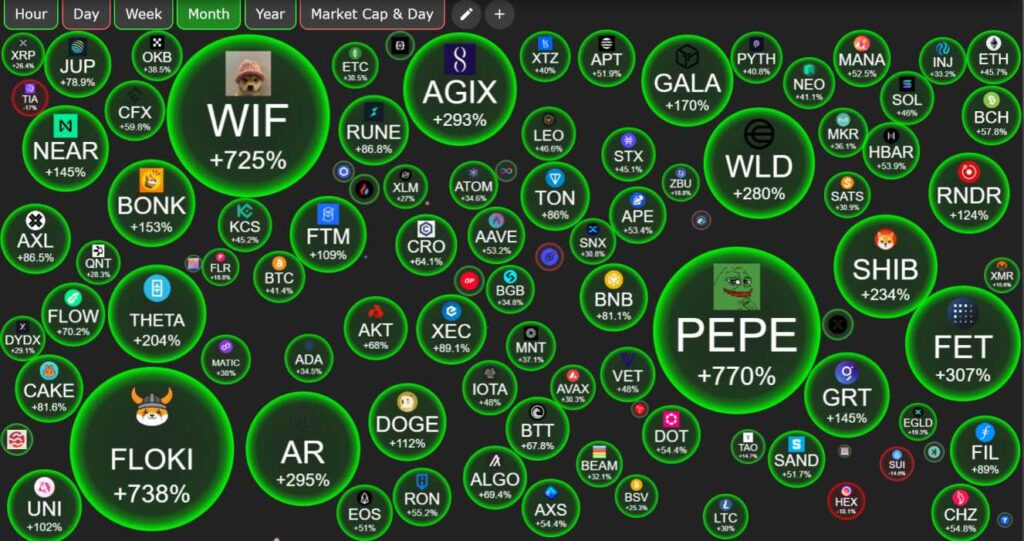
2025년 주목해야 할 미래 유망 코인 TOP 10

The cryptocurrency landscape in Texas is vibrant and rapidly evolving, reflecting the state’s growing significance as a hub for innovative financial technologies. With numerous companies operating across various sectors of the cryptocurrency market, Texas has established itself as a key player in the digital currency space. The state’s favorable business environment, coupled with a tech-savvy population, has fostered a culture of entrepreneurship in this sector.In recent years, the cryptocurrency sector in Texas has experienced significant growth, driven by increasing adoption of digital currencies and blockchain technologies.

Major cities such as Austin, Dallas, and Houston have emerged as epicenters for cryptocurrency activities, hosting startups, exchanges, and tech firms dedicated to blockchain development. This growth trend signifies not only a burgeoning industry but also the potential for Texas to shape the future of finance.

Types of Cryptocurrency Companies

Texas is home to a diverse range of cryptocurrency companies, categorized into several key types. Each category plays a vital role in the overall ecosystem, offering unique services and products to consumers and investors alike.

  • Exchanges: These platforms facilitate the buying, selling, and trading of cryptocurrencies. Notable exchanges based in Texas include Bitstamp and Binance US.
  • Wallet Providers: Companies like Ledger and Trezor provide digital wallets that allow users to securely store their cryptocurrencies.
  • Mining Operations: Texas has attracted significant investment in mining operations due to its low-cost energy resources, with firms such as Riot Blockchain leading the way.
  • Blockchain Development Firms: Companies like ConsenSys focus on creating decentralized applications and solutions using blockchain technology.

Regulatory Environment in Texas

The regulatory framework governing cryptocurrency businesses in Texas is primarily overseen by the Texas State Securities Board (TSSB). This body ensures that companies operate within the legal parameters set forth to protect investors and maintain market integrity. The state has implemented specific regulations that require cryptocurrency firms to register and comply with securities laws, distinguishing itself from other states with less stringent requirements.The TSSB plays a critical role in evaluating initial coin offerings (ICOs) and other cryptocurrency-related projects, ensuring transparency and compliance.

Compared to states like New York, which has a more rigorous licensing process through its BitLicense, Texas offers a relatively more accessible environment for cryptocurrency businesses.

Technological Innovations in Texas Cryptocurrency Companies

Texas-based cryptocurrency firms are at the forefront of technological advancements, particularly in the implementation of blockchain technology. Many companies are exploring innovative solutions that enhance security, scalability, and efficiency in transactions.For instance, firms are developing decentralized finance (DeFi) applications that offer traditional financial services without intermediaries. Additionally, some startups are focused on integrating artificial intelligence (AI) with blockchain to improve transaction speeds and customer service.

Noteworthy projects, such as those initiated by the Texas Blockchain Council, are pushing the boundaries of what’s possible in the cryptocurrency space.

Investment Trends and Opportunities

Blockchain Bitcoin Cryptocurrency Currency Digital Investment ...

The Texas cryptocurrency market presents numerous investment opportunities, attracting a variety of investors. Angel investors and venture capitalists are particularly active, recognizing the potential of this rapidly growing sector.Recent funding rounds illustrate the investment landscape, highlighting the confidence in Texas cryptocurrency companies. Below is a table listing notable funding rounds in the past year:

Company Funding Amount Investors Date
Riot Blockchain $100 million Institutional Investors June 2023
BitPay $70 million Venture Capital August 2023
Coinbase Texas $50 million Angel Investors October 2023

Challenges Faced by Cryptocurrency Companies in Texas

Despite its growth, cryptocurrency companies in Texas face several challenges that can hinder their operations and expansion. Regulatory compliance can be complex and costly, requiring firms to invest significant resources to adhere to the laws set by the TSSB.Moreover, the volatility of cryptocurrency markets presents a financial risk, making it difficult for businesses to maintain stable operations. Companies are also challenged by the need for technical talent, as the demand for skilled professionals in blockchain and cryptocurrency continues to outpace supply.

To overcome these obstacles, businesses often adopt strategic partnerships, invest in employee training, and engage in advocacy efforts to shape favorable regulatory environments.

Community and Networking in Texas Cryptocurrency

The cryptocurrency community in Texas is an essential aspect of its ecosystem, fostering collaboration and innovation among industry participants. Community events, meetups, and forums allow entrepreneurs, investors, and enthusiasts to exchange ideas and forge connections.Key networking events and conferences, such as the Texas Blockchain Summit and Bitcoin Conference Austin, bring together stakeholders from across the industry, contributing to the growth and development of cryptocurrency companies in the state.

These gatherings not only promote knowledge sharing but also help in building a supportive community that can navigate the challenges of the cryptocurrency landscape together.

Future Prospects for Cryptocurrency Companies in Texas

Looking ahead, the future for cryptocurrency firms in Texas appears promising. Emerging trends such as the rise of decentralized finance, non-fungible tokens (NFTs), and regulatory advancements are setting the stage for continued innovation and growth.Experts predict that Texas will continue to attract investment and talent, positioning itself as a leading center for cryptocurrency and blockchain technology. As the state’s regulatory framework evolves, it may further enhance its appeal to businesses seeking a stable and supportive environment for development.

The focus on sustainable practices and energy-efficient mining operations could also influence the future trajectory of the Texas cryptocurrency market.

Concluding Remarks

In summary, the landscape of cryptocurrency companies in Texas is rich with opportunity and innovation. As the state continues to embrace digital currencies and blockchain technology, its role as a key player in the cryptocurrency market is only expected to grow. Whether you’re an investor or simply a crypto enthusiast, Texas is undoubtedly a region to watch in the evolving world of digital finance.

Essential Questionnaire

What types of cryptocurrency companies exist in Texas?

Texas is home to various cryptocurrency companies, including exchanges, wallets, mining operations, and blockchain developers.

How is the regulatory environment for cryptocurrency in Texas?

The regulatory framework in Texas is established by the Texas State Securities Board, focusing on investor protection and compliance with state laws.

What are some major cities in Texas with cryptocurrency activity?

Austin, Dallas, and Houston are notable hubs for cryptocurrency companies and related activities in Texas.

Are there networking events for cryptocurrency in Texas?

Yes, Texas hosts various conferences and networking events that foster community and collaboration among cryptocurrency enthusiasts and businesses.

What are the investment trends in Texas’s cryptocurrency market?

Investment trends in Texas include the involvement of angel investors and venture capital firms looking to fund promising cryptocurrency projects.

In the dynamic world of cryptocurrency, logos play a pivotal role in distinguishing brands from one another. They serve as visual anchors, helping companies establish a strong identity and foster recognition among their audiences. As the industry evolves, understanding the nuances of crypto company logos becomes essential for both established brands and newcomers trying to make their mark.

From unique design elements that reflect the values of blockchain technology to the current trends that captivate investors, the landscape of crypto logos is rich with creativity and meaning. This exploration delves into the significance of these logos, the design trends that define them, and the symbolism embedded within to fully appreciate their impact on the crypto industry.

Overview of Crypto Companies Logos

In the fast-paced world of cryptocurrency, logos play a crucial role in establishing a company’s identity and presence. A well-designed logo not only attracts attention but also communicates the values and ethos of the brand. In an industry where trust and recognition are paramount, a logo becomes an essential tool for differentiation and connection with the audience.Logos contribute significantly to brand identity and recognition across various platforms.

They serve as visual symbols that encapsulate a company’s mission, vision, and values. The unique design elements typical in crypto logos, such as modern typography, abstract shapes, and vibrant colors, help create a memorable impression in a crowded market.

Design Trends in Crypto Logos

Set logos popular cryptocurrency Royalty Free Vector Image

Current design trends in crypto logos lean towards minimalism and geometric shapes. Many companies opt for sleek, clean lines that evoke a sense of professionalism and innovation. Color schemes are often bold and energetic, featuring gradients and neon hues to reflect the dynamic nature of the crypto landscape.Popular color schemes among crypto brands include:

  • Blue: Symbolizes trust and security.
  • Green: Associated with growth and prosperity.
  • Purple: Represents creativity and luxury.
  • Yellow: Conveys optimism and energy.

In addition, typography styles commonly used in crypto logos include sans-serif fonts for a modern look and custom typefaces that enhance brand uniqueness.

Examples of Notable Crypto Logos

Several well-known crypto companies have logos that effectively represent their brand identity. Below is a table showcasing some notable logos along with their meanings.

Logo Company Name Meaning
[Description of Bitcoin Logo] Bitcoin Represents decentralization and peer-to-peer transactions.
[Description of Ethereum Logo] Ethereum Reflects innovation and the platform’s focus on smart contracts.
[Description of Binance Logo] Binance Symbolizes growth and the company’s fast-paced trading ecosystem.

Symbolism in Crypto Logos

Common symbols used in crypto logos often carry significant meanings. Shapes and icons are vital in conveying messages about the brand’s purpose and attributes.Key symbols and their meanings include:

  • Circle: Represents unity and community in decentralized finance.
  • Triangle: Often signifies stability and strength.
  • Hexagons: Symbolize efficiency and innovation in tech.

Logo Creation Process for Crypto Companies

Designing a logo for a crypto company involves several key steps. First, research and understanding the target audience are crucial to establishing a design direction. Following this, sketching out concepts and creating digital drafts help visualize ideas.User feedback is integral to the design process, allowing designers to refine their concepts based on real-world reactions. Testing logo effectiveness among target audiences can involve surveys, focus groups, and A/B testing to gather insights.

Case Studies of Successful Crypto Logos

Several successful logo designs in the crypto space demonstrate effective branding strategies. One notable example is the Bitcoin logo, which has become synonymous with cryptocurrency itself. Its simple design and recognizable symbol have helped it gain immense visibility.Factors contributing to the success of these logos include:

  • Clarity in representation of core values.
  • Adaptability across various media and sizes.
  • Strong emotional resonance with the target audience.

Challenges in Designing Crypto Logos

Designers often face challenges when creating logos for crypto companies. The rapidly evolving market can necessitate frequent updates to maintain relevance. Additionally, the complexity of the technology behind cryptocurrencies can make it difficult to convey ideas simply and clearly.Market trends can also affect logo design choices, pushing designers to innovate constantly. Strategies for overcoming such obstacles include staying informed about industry trends and leveraging user feedback to ensure designs resonate with audiences.

Future of Crypto Logos

Technological advancements are poised to influence logo design in the coming years. As virtual and augmented reality become more prevalent, logos may evolve to incorporate three-dimensional elements and interactive features.Potential shifts in logo design preferences could include:

  • Increased use of animated logos that engage users.
  • Greater emphasis on sustainability through eco-friendly designs.
  • Integration of AI in the design process for more personalized branding.

A comparative table of current trends versus future predictions in logo design can provide insights into how the industry may evolve.

Current Trends Future Predictions
Minimalistic designs 3D and animated logos
Bold color schemes Eco-friendly and sustainable designs
Simple typography Custom and dynamic typography

Conclusion

Cryptocurrency man mascot logo design 28240270 Vector Art at Vecteezy

In conclusion, the logos of crypto companies not only represent their brands but also encapsulate the spirit of innovation within the industry. As we look to the future, these logos will likely evolve alongside technological advancements and changing market dynamics. By staying attuned to design trends and user preferences, crypto companies can continue to forge strong identities that resonate with audiences around the globe.

FAQ Insights

Why are logos important for crypto companies?

Logos are crucial for crypto companies as they establish brand identity, build recognition, and convey trust and credibility in a competitive market.

What design trends are common in crypto logos?

Common design trends in crypto logos include minimalism, bold colors, geometric shapes, and futuristic typography.

How do logos influence customer perception?

Logos influence customer perception by instilling feelings of reliability and professionalism, which can affect investment decisions.

What role does user feedback play in logo design?

User feedback is vital in logo design as it helps ensure the logo resonates with the target audience and effectively represents the brand’s values.

Can logos evolve over time?

Yes, logos can and often do evolve over time to reflect changes in brand strategy, market trends, and user preferences.

Kicking off with crypto company fined, the landscape of cryptocurrency regulation is rapidly evolving, creating both challenges and opportunities for crypto firms. Regulatory bodies are stepping up their game, ensuring that these companies adhere to a set of guidelines designed to protect consumers and maintain market integrity.

As these regulations tighten, crypto companies face the risk of hefty fines for non-compliance, a reality that has led to significant ramifications for many players in the industry. From disrupting business operations to eroding consumer trust, the consequences of being fined extend far beyond financial penalties.

Overview of Crypto Companies and Regulatory Environment

The landscape of cryptocurrency companies is rapidly evolving, necessitating oversight from regulatory bodies to ensure compliance and protect consumers. Regulatory bodies play a crucial role in monitoring the operations of crypto companies, aiming to create a safer market environment. They implement necessary regulations that these companies must adhere to, which can significantly impact their operations.

Role of Regulatory Bodies

Regulatory bodies such as the SEC in the United States and the FCA in the UK are tasked with establishing guidelines for financial activities in the cryptocurrency space. Their oversight includes monitoring for fraudulent activities, ensuring transparency, and protecting investors. By enforcing these regulations, they help in building a more trustworthy environment for both investors and operators within the crypto market.

Common Regulations for Crypto Companies

Crypto companies are required to comply with various regulations, including Anti-Money Laundering (AML) laws and Know Your Customer (KYC) requirements. These regulations are essential in preventing illicit activities and fostering trust among users. Additionally, crypto exchanges may need to register as money service businesses, which demands strict reporting and operational standards.

Implications of Regulations on Operations

The implications of these regulations are substantial. Compliance often requires crypto companies to invest heavily in legal and operational structures, which can be a burden for smaller firms. However, adherence to regulations ultimately enhances consumer trust and can lead to a more stable market environment.

Reasons for Fines Imposed on Crypto Companies

Fines against crypto companies often arise from various compliance failures. Common violations include inadequate anti-money laundering protocols, failure to register as required, and misleading marketing practices. Understanding these violations is crucial for companies aiming to maintain compliance and avoid penalties.

Common Violations Leading to Fines

10 Things You Should Know Before Buying Your First Crypto

The most common violations that lead to fines include:

  • Inadequate KYC procedures
  • Failure to report suspicious activities
  • Insufficient data protection measures

These violations can lead to significant penalties, not only financially but also regarding a company’s reputation.

Recent Examples of Fines

Recent fines have highlighted the consequences of non-compliance. For instance, a notable crypto exchange was fined $6 million for failing to comply with AML regulations. Such cases demonstrate the need for rigorous adherence to regulatory standards to avoid punitive measures.

Impact of Non-Compliance on Consumer Trust

Non-compliance can severely affect consumer trust and market stability. When fines are imposed, it often results in a loss of confidence among users, leading to decreased participation in the affected platforms. This can create a ripple effect that destabilizes the entire market.

Case Studies of Notable Crypto Company Fines

Several high-profile cases of fines against crypto companies reveal the varying circumstances leading to regulatory action. These cases provide valuable insights into the implications of non-compliance.

High-Profile Case Accounts

One significant case involved a major cryptocurrency exchange that faced a $10 million fine due to failure to implement adequate AML practices. Another case included a blockchain startup fined for misleading investors in its token offering. Each case highlights the unique challenges and regulatory expectations in the crypto landscape.

Comparison of Cases

Comparing these cases reveals different outcomes based on the nature of violations:

Company Violation Fine Amount Outcome
CryptoExchange A AML Non-compliance $10 million Increased regulatory scrutiny
Blockchain Startup B Misleading marketing $2 million Loss of investor trust

Financial and Reputational Impact

The financial implications of fines can be severe, leading to decreased profitability and operational scaling. Moreover, the reputational damage can be long-lasting, affecting future business dealings and partnerships.

Consequences of Being Fined

When a crypto company is fined, both immediate and long-term impacts can arise, influencing operational procedures and strategies.

Immediate and Long-Term Impacts

Immediate impacts often include financial strain and the necessity for operational adjustments. Long-term consequences may involve shifts in company strategy, increased regulatory scrutiny, and heightened compliance costs.

Comparison of Effects on Companies

The effects of fines can vary significantly between companies. Here’s a brief overview:

Company Immediate Effect Long-Term Effect
Exchange X Operational review Increased compliance budget
Wallet Provider Y Loss of clients Enhanced security measures

Influence on Future Compliance Strategies

Fines can significantly influence how crypto firms approach future regulatory compliance. Companies may adopt more rigorous internal audits and risk assessments to mitigate the risk of penalties.

Strategies for Crypto Companies to Avoid Fines

To navigate the complex regulatory landscape, crypto companies can implement several best practices aimed at ensuring compliance.

Best Practices for Compliance

Download Crypto Coin Png 2 | Wallpapers.com

Establishing effective compliance strategies is essential. Key practices include:

  • Regular internal audits
  • Comprehensive employee training on compliance requirements
  • Staying informed on regulatory changes

These practices help in creating a proactive compliance culture within organizations.

Importance of Internal Audits and Risk Assessments

Internal audits and risk assessments are critical in identifying potential compliance issues before they escalate into violations. Regular assessments allow companies to stay ahead of regulatory changes and adapt their operations accordingly.

Methods for Staying Updated with Regulations

Staying updated with evolving regulations can be facilitated through:

  • Engaging with industry bodies
  • Utilizing legal advisories and compliance consultants
  • Participating in regulatory workshops

These methods foster a culture of continuous learning and adaptation within crypto firms.

Future of Regulation in the Crypto Industry

The regulatory landscape for cryptocurrency is poised for evolution, influenced by various factors including technological advancements and market dynamics.

Potential Changes in Regulations

Future regulatory changes may include stricter compliance measures and enhanced transparency requirements. As governments continue to grapple with the implications of cryptocurrency, regulations will likely become more comprehensive and defined.

Trends in Regulatory Approaches

Different countries are adopting unique regulatory approaches, with some leaning towards innovation while others impose strict restrictions. Observing these trends can provide insights into how the global landscape may shift.

Adapting to Future Regulatory Environments

Crypto companies must remain flexible and adaptable to thrive in changing regulatory environments. By embracing compliance as a core component of their business strategy, they can mitigate risks associated with regulatory penalties and foster sustainable growth.

Last Word

In summary, the world of crypto company fines underscores the critical relationship between regulation and market stability. As firms navigate this complex environment, understanding the implications of fines and adopting proactive compliance strategies will be essential for future success.

Frequently Asked Questions

What are common reasons crypto companies are fined?

Common reasons include lack of compliance with regulations, failure to implement adequate anti-money laundering measures, and not securing customer data properly.

How can crypto companies avoid fines?

Companies can avoid fines by staying updated with regulations, conducting regular audits, and implementing robust compliance programs.

What is the impact of fines on consumer trust?

Fines can significantly erode consumer trust, leading to a decrease in customer loyalty and potential losses in market share.

Do fines affect a crypto company’s reputation?

Yes, being fined can damage a company’s reputation, making it harder to attract investors and partners in the future.

What role do regulatory bodies play in the crypto industry?

Regulatory bodies monitor compliance, enforce laws, and ensure that crypto companies operate transparently and fairly.

Bitcoin OTC meaning unfolds a fascinating narrative in the world of cryptocurrency trading, highlighting its unique characteristics and significance for traders. Unlike traditional exchanges, Bitcoin OTC (over-the-counter) trading allows large transactions to be executed privately, often with minimal price impact, making it an appealing option for institutional investors and high-net-worth individuals.

OTC transactions involve brokers who facilitate trades directly between buyers and sellers, ensuring discretion and efficiency. This method is particularly advantageous for those looking to make substantial purchases without the volatility that can arise from trading on public exchanges.

Definition of Bitcoin OTC

Bitcoin OTC, or Over-the-Counter trading, refers to the process of trading Bitcoin directly between two parties without the involvement of a traditional exchange. This method is significant in the cryptocurrency market as it allows for large transactions to be executed with greater privacy and potentially reduced price volatility compared to typical exchanges. Unlike exchanges where transactions are public and put pressure on prices, OTC trades happen discreetly, often with the help of specialized brokers.For example, when a large institution decides to buy millions of dollars worth of Bitcoin, they might choose to conduct an OTC transaction to avoid causing significant price fluctuations that could occur on a public exchange.

OTC brokers play a crucial role in this process, acting as intermediaries who facilitate the trade, ensuring that both parties meet their trading objectives without revealing their strategies to the broader market.

Mechanisms of Bitcoin OTC Trading

Executing a Bitcoin OTC trade involves several steps that ensure the transaction is smooth and secure. The process generally starts with the buyer contacting an OTC broker to express their intent to purchase a certain amount of Bitcoin. The broker then provides a quote based on current market conditions.Here’s a step-by-step guide on how to conduct a Bitcoin OTC transaction:

  1. The buyer contacts the OTC broker with their requirements.
  2. The broker assesses the market and provides a quote.
  3. Both parties agree on the price and transaction amount.
  4. The broker facilitates the transfer of Bitcoin and fiat currency.
  5. The transaction is completed, and both parties receive confirmation.

The technology used in Bitcoin OTC trading typically involves secure communication channels and trading platforms designed specifically for high-volume transactions. Brokers may use proprietary software to match buyers and sellers efficiently while ensuring compliance with legal regulations.

Advantages of Bitcoin OTC

There are several benefits to using OTC trading for large Bitcoin purchases, especially for institutional investors looking to avoid market disturbances. One significant advantage is the enhanced privacy that OTC transactions offer. Since trades are conducted privately, sensitive information about the buyer’s intentions and strategies is not disclosed to the public, unlike on exchanges where trades are visible.Additionally, OTC trading can help mitigate price volatility.

Large purchases executed on public exchanges can lead to rapid price changes, while OTC trades can help stabilize prices by absorbing large buy orders without impacting the market significantly.

Risks Associated with Bitcoin OTC

While Bitcoin OTC trading offers various benefits, it does come with its own set of risks. One major concern is counterparty risk, which is the risk that the other party in the transaction fails to fulfill their obligations. This risk can be particularly pronounced in OTC trades where regulatory oversight may be less stringent than on exchanges.To mitigate these risks, security measures such as escrow services are often used.

By holding funds securely until both parties fulfill their obligations, these services provide an additional layer of protection. Furthermore, it’s essential to be aware of regulatory considerations, as different jurisdictions may impose unique legal implications on OTC trades.

Market Dynamics of Bitcoin OTC

Bitcoin OTC trading plays a critical role in the overall cryptocurrency market. It can significantly affect Bitcoin price fluctuations, especially when large volumes are traded off-exchange. Data indicates that substantial OTC trading activities can lead to noticeable shifts in market sentiment and pricing.Trends in Bitcoin OTC trading volume have shown an increase as institutional involvement grows, suggesting that more players are seeking to leverage the benefits of OTC transactions.

Market participants now include hedge funds, family offices, and high-net-worth individuals looking for efficient ways to manage their Bitcoin investments without attracting undue attention.

Comparison with Other Trading Methods

When comparing Bitcoin OTC trading with centralized exchanges, several differences emerge. Centralized exchanges offer higher liquidity and access to a broader range of trading pairs, but they may expose traders to risks like hacking and regulatory scrutiny. OTC trading, on the other hand, provides a more personalized and discreet service, though it may involve higher fees and less liquidity.Peer-to-peer trading is another alternative to consider.

Unlike OTC, which typically involves brokers, peer-to-peer trading allows buyers and sellers to transact directly. Each method has its pros and cons, such as accessibility and liquidity. OTC trading may offer better privacy and execution for large trades, while centralized exchanges provide an easier entry point for smaller investors.

Future of Bitcoin OTC

The future of Bitcoin OTC trading looks promising as institutional interest continues to rise. Potential developments may include the emergence of more sophisticated trading platforms that cater specifically to OTC needs, making transactions even more secure and efficient.Additionally, the increasing involvement of institutional players is likely to drive innovation in the OTC market. As technology advances, we can expect to see enhanced tools and platforms that streamline the trading process, making it easier for both buyers and sellers to participate in OTC transactions.

Overall, the landscape of Bitcoin OTC trading is set to evolve rapidly, reflecting the dynamic nature of the cryptocurrency market.

Closing Notes

In summary, understanding the bitcoin OTC meaning is crucial for anyone looking to engage in the cryptocurrency market, as it paves the way for larger transactions while minimizing risks and market disruptions. As the landscape evolves, the role of OTC trading is likely to expand, shaping the future of how we approach cryptocurrency investments.

FAQ Guide

What does OTC stand for in cryptocurrency?

OTC stands for over-the-counter, referring to trading conducted directly between parties without a centralized exchange.

How does Bitcoin OTC trading work?

Bitcoin OTC trading involves brokers who match buyers and sellers, facilitating large trades outside of public exchanges.

What are the advantages of using OTC for Bitcoin transactions?

Advantages include greater privacy, reduced price volatility, and the ability to execute large trades without affecting market prices.

Are there risks involved in Bitcoin OTC trading?

Yes, risks include counterparty risk and regulatory uncertainties, which necessitate careful consideration and security measures.

Who typically uses Bitcoin OTC services?

OTC services are commonly used by institutional investors, high-net-worth individuals, and any trader looking to execute large orders discreetly.

Business marketing quarter 1 module 1 introduces essential strategies that set the tone for the year ahead, focusing on the fundamentals that drive effective marketing initiatives.

This module delves into the core principles of business marketing, contrasting traditional and digital strategies while emphasizing customer segmentation. By understanding market trends and establishing a solid marketing strategy, businesses can navigate the first quarter successfully.

Understanding Business Marketing Fundamentals

Business marketing serves as the backbone of any successful commercial endeavor, especially in the first quarter of the year when companies set their annual goals. Understanding its core principles is essential for any marketer looking to make an impact. This includes recognizing how marketing can drive sales, enhance brand awareness, and foster customer loyalty.

Core Principles of Business Marketing

The fundamental principles of business marketing are centered around identifying customer needs and delivering value. Among these principles are the 4 P’s: Product, Price, Place, and Promotion. These elements work together to create a comprehensive marketing strategy, especially crucial during Q1, as businesses aim to establish their presence in the market for the year ahead.

Differences Between Traditional and Digital Marketing Strategies

The distinction between traditional and digital marketing strategies is pivotal. Traditional marketing often encompasses print ads, television, and radio, which can reach a broad audience but lacks precise targeting. In contrast, digital marketing leverages online platforms for targeted campaigns, utilizing analytics for measuring effectiveness.

The Role of Customer Segmentation in Effective Marketing Planning

Customer segmentation plays a crucial role in effective marketing planning. By categorizing customers based on demographics, psychographics, and behaviors, businesses can tailor their marketing strategies to meet the specific needs of various groups. This ensures that marketing messages resonate more and achieve better results in Q1 campaigns.

Developing a Marketing Strategy for Q1

Creating a robust marketing strategy for the first quarter requires a structured approach. Businesses must not only Artikel their objectives but also detail the actions necessary to achieve them.

Step-by-Step Guide for Formulating a Marketing Strategy

1. Set Clear Objectives

Determine what you want to achieve—be it increased sales, brand awareness, or customer engagement.

2. Analyze the Competition

Research your competitors to understand their strengths and weaknesses.

3. Identify Target Audience

Use customer segmentation techniques to define your ideal customers accurately.

4. Select Marketing Channels

Decide which channels (social media, email, etc.) will be most effective for your audience.

5. Create Content Calendar

Plan out the content you will share on various platforms.

6. Set Budget

Allocate resources effectively across your selected channels.

7. Launch Campaigns

Roll out your marketing initiatives and ensure they align with your objectives.

Examples of Successful Marketing Campaigns Launched in Q1

Several businesses have successfully leveraged Q1 for groundbreaking marketing campaigns, including:

Coca-Cola’s New Year Campaign

Aimed at promoting resolutions with a healthy twist.

Nike’s Spring Collection Launch

Utilizing influencer marketing to target fashion-forward consumers.

Checklist for Essential Marketing Activities to be Undertaken in Q1

A comprehensive checklist is vital for ensuring that no important tasks are overlooked. Here are essential activities:

  • Conduct market research to gather insights.
  • Finalize marketing budget and allocate resources.
  • Develop engaging content for social media platforms.
  • Implement email marketing campaigns.
  • Monitor performance metrics regularly.

Analyzing Market Trends

At the start of the year, understanding market trends is essential for any business strategy. This is the period where shifts in consumer preferences and economic conditions can shape marketing directions.

Current Market Trends Impacting Businesses

Key market trends impacting businesses include:

Sustainability

Consumers are increasingly favoring brands that prioritize eco-friendly practices.

Digital Transformation

More companies are adopting digital solutions to enhance customer experiences.

Personalization

Tailored marketing messages are becoming the norm, with consumers expecting brands to understand their needs.

The Importance of Market Research and Data Analysis

Market research and data analysis are pivotal in developing effective marketing strategies. These processes help in identifying consumer needs, assessing competitors, and determining market opportunities, allowing businesses to pivot and adapt their strategies swiftly.

Consumer Behavior Changes Observed in Q1

In the first quarter, many businesses have observed shifts in consumer behavior, such as:

  • Increased online shopping due to convenience.
  • A growing preference for personalized marketing messages.
  • Heightened interest in health and wellness products.

Budgeting for Marketing Activities

A well-structured budget is crucial for the success of Q1 marketing activities. It ensures that funds are allocated efficiently across different marketing initiatives.

Framework for Budgeting Marketing Expenditures

When creating a marketing budget, consider the following framework:

Fixed Costs

These include salaries and overheads.

Variable Costs

Costs that can fluctuate based on marketing campaigns, such as digital ads and promotional events.

Contingency Funds

Set aside a portion of the budget for unexpected opportunities or challenges.

Allocation of Resources Across Various Marketing Channels

Resource allocation should be strategic and based on the effectiveness of each channel. For instance, if social media ads have historically yielded high returns, a larger portion of the budget should be dedicated there.

Methods for Measuring the Return on Investment (ROI)

Measuring ROI for marketing initiatives can be done through:

Sales Growth

Analyzing revenue increases post-campaign.

Customer Acquisition Cost

Evaluating the cost-effectiveness of gaining new customers.

Engagement Metrics

Monitoring social media interactions and website traffic.

Leveraging Digital Marketing Channels

In the digital age, leveraging online channels for marketing is more important than ever. The first quarter is an opportune time for businesses to engage with their audience.

Maximizing Engagement Through Social Media Platforms

To maximize engagement on social media in Q1, businesses should:

  • Create interactive content such as polls and quizzes.
  • Utilize live sessions to connect with audiences in real-time.
  • Collaborate with influencers to extend reach and credibility.

Effectiveness of Email Marketing Campaigns

Email marketing remains a powerful tool for businesses. Successful campaigns should focus on:

  • Segmented lists to target specific customer groups.
  • Compelling subject lines to increase open rates.
  • Personalization to create a connection with recipients.

Comparison of Paid Advertising Options

When considering paid advertising, it’s essential to evaluate various options:

Advertising Type Pros Cons
Pay-Per-Click (PPC) Immediate results, measurable Can be costly, competition
Social Media Ads Highly targeted, engaging Algorithm changes can affect visibility
Display Ads Brand awareness, visual impact Often ignored (banner blindness)

Measuring Marketing Performance

Understanding how to measure marketing performance is critical for continuous improvement.

Key Performance Indicators (KPIs) for Evaluating Q1 Marketing Effectiveness

Establishing the right KPIs helps businesses track their performance. Important KPIs include:

Conversion Rate

The percentage of users who complete a desired action.

Customer Lifetime Value (CLV)

The total revenue expected from a customer over the duration of their relationship with the brand.

Engagement Rate

Interaction rates on social media posts.

Template for Tracking Marketing Campaign Performance

A simple tracking template could include:

  • Campaign Name
  • Start and End Dates
  • Target Audience
  • Budget Allocation
  • Key Metrics (e.g., leads generated, sales)

Using Analytics Tools to Assess Marketing Success

Analytics tools such as Google Analytics or social media insights provide invaluable data for assessing marketing success. These tools allow businesses to:

  • Track website traffic sources.
  • Monitor user behavior on their sites.
  • Evaluate campaign performance in real-time.

Building Customer Relationships

Building strong customer relationships is essential for long-term business success. The first quarter is a perfect time to lay the groundwork for these connections.

Strategies to Enhance Customer Relationships During the First Quarter

Businesses can strengthen customer relationships by:

  • Offering exceptional customer service.
  • Actively seeking feedback and implementing improvements.
  • Regularly communicating with customers through newsletters and updates.

Loyalty Programs and Their Impact on Customer Retention

Loyalty programs are an excellent way to retain customers. By rewarding repeat purchases or referrals, businesses enhance customer satisfaction and encourage brand loyalty.

Engaging Customers Through Personalized Marketing Efforts

Personalized marketing efforts can significantly improve engagement. Strategies may include:

  • Using customer names in communications.
  • Recommending products based on past purchases.
  • Sending personalized offers on birthdays or anniversaries.

    Last Point

    In conclusion, mastering the concepts presented in business marketing quarter 1 module 1 equips marketers with the knowledge to adapt their strategies effectively. By leveraging digital channels and analyzing performance metrics, businesses can not only achieve their quarterly goals but also forge lasting customer relationships that drive future success.

    Essential FAQs

    What are the key components of a successful marketing strategy?

The key components include market research, target audience identification, budget allocation, and performance tracking.

How can businesses measure ROI for marketing campaigns?

Businesses can measure ROI by comparing the revenue generated from marketing efforts to the total costs incurred.

What role does customer segmentation play in marketing?

Customer segmentation allows businesses to tailor their marketing efforts to specific groups, enhancing engagement and conversion rates.

How important is market research in Q1?

Market research is crucial in Q1 as it helps businesses understand emerging trends and consumer behavior changes at the start of the year.

What are effective digital marketing channels for Q1?

Social media, email marketing, and paid advertising are effective channels to maximize engagement and reach in Q1.

Beginning with crypto judaism meaning, the narrative unfolds in a compelling and distinctive manner, drawing readers into a story that promises to be both engaging and uniquely memorable.

Crypto Judaism refers to the practice of maintaining Jewish beliefs and traditions secretly, often in response to historical persecution. This phenomenon emerged among Jewish communities who, to survive, disguised their identities while holding onto their faith. In modern times, Crypto Judaism highlights the resilience of these communities as they navigate their rich heritage amidst contemporary societal challenges.

Definition of Crypto Judaism

Crypto Judaism refers to the practice of Jews who, under duress or persecution, converted to another faith while secretly maintaining their Jewish identity and traditions. This phenomenon emerged prominently during periods of intense anti-Semitism, particularly during the Spanish Inquisition in the late 15th century. The term encapsulates both the historical struggle of these communities and their complex identity, as they navigate between their outwardly adopted faith and their hidden Jewish practices.The origins of Crypto Judaism can be traced back to the forced conversions of Jews in Spain and Portugal, where many were compelled to abandon their faith to escape persecution.

Despite this external pressure, a significant number continued to practice Judaism in secret, often passing down their beliefs and rituals through generations. In modern times, Crypto Judaism holds a unique significance, as many descendants of these communities are rediscovering their heritage and embracing their Jewish roots, facilitated by greater societal acceptance and advances in technology.

Historical Background

The emergence of Crypto Judaism was primarily sparked by historical events such as the Alhambra Decree in 1492, which expelled Jews from Spain. This mass expulsion led to widespread conversions, but many Jewish families secretly maintained their practices, leading to the formation of Crypto Jewish communities. Throughout history, these communities have emerged in various regions, often influenced by local cultures yet firmly rooted in Jewish traditions.Prominent Crypto Jewish communities have existed in places like New Mexico, the Caribbean, and parts of South America, where the legacy of these hidden Jews has persisted.

The practices of Crypto Jews often varied significantly depending on their location and the specific challenges they faced, with some adopting local customs while retaining core Jewish beliefs.

Cultural Practices and Beliefs

Crypto Jews developed unique practices that reflect their dual identity. These traditions often combine elements of Jewish law with local customs. Some notable practices include:

  • Observance of Shabbat in secret, often with alternative names for the day.
  • Use of symbolic rituals during key life events, such as marriage and mourning.
  • Maintaining dietary laws discreetly, such as kosher practices hidden in daily meals.

The blending of Jewish traditions with local customs is evident in the way Crypto Jews celebrate holidays, integrating local flavors while upholding core religious tenets. Many Crypto Jews also hold onto religious beliefs in secrecy, such as the importance of prayer, the study of Torah, and the belief in a singular God.

Modern-Day Crypto Jews

Today, there are contemporary communities that identify as Crypto Jews, particularly in the Americas and parts of Europe. These groups often engage in initiatives to reclaim their Jewish heritage, utilizing community gatherings and cultural events to foster a sense of identity. Individuals who identify as Crypto Jews share personal testimonies of discovering their heritage, often recounting stories of family connections to traditional practices that were hidden for generations.

The challenges faced by modern Crypto Jews include societal misconceptions and the struggle for acceptance within broader Jewish communities. Many find it difficult to openly express their identity due to fear of discrimination or skepticism from both Jewish and non-Jewish individuals.

The Role of Technology

Technology has played a crucial role in the resurgence of Crypto Judaism. The internet has enabled individuals to connect with others who share similar backgrounds, fostering a sense of belonging and community. Social media platforms serve as vital spaces for Crypto Jews to share their stories, engage in discussions about their heritage, and access resources related to their traditions.Digital resources, including online archives and educational platforms, are being utilized to explore and preserve Crypto Jewish heritage.

These innovations have allowed many to reconnect with their ancestral roots, often leading to a revitalization of forgotten practices and customs.

Societal Perceptions and Misunderstandings

Common misconceptions about Crypto Judaism often stem from a lack of understanding regarding the complexities of identity. Many people mistakenly view Crypto Jews as merely converts to another faith, overlooking the rich cultural and religious heritage they maintain. Societal reactions vary across different cultures; in some places, Crypto Jews face acceptance and support, while in others, they encounter suspicion and prejudice.The impact of these perceptions can be profound, often influencing the social dynamics Crypto Jews face in their daily lives.

Misunderstandings about their identity can lead to isolation or pressures to conform to mainstream religious practices, complicating their journey towards embracing their full heritage.

Advocacy and Awareness

Various initiatives aim to raise awareness about Crypto Judaism and support its practitioners. Advocacy groups work tirelessly to promote understanding and acceptance of Crypto Jews, often organizing educational programs and community events that highlight their history and significance. Examples of such groups include organizations dedicated to preserving Jewish history and fighting against anti-Semitism, which often include Crypto Judaism in their educational outreach.

Education plays a pivotal role in promoting understanding, helping to dispel myths and encourage acceptance of diverse Jewish identities.

Future of Crypto Judaism

Looking ahead, trends indicate that the visibility and acceptance of Crypto Judaism may continue to grow, particularly as more individuals reclaim and share their heritage. Communities can play a significant role in supporting the revitalization of Crypto Jewish practices by fostering inclusive environments that celebrate diversity within Judaism.Globalization may further impact Crypto Jewish identity, as increased interconnectedness can provide avenues for cultural exchange and mutual support among different Jewish communities.

The blending of experiences and practices could enrich the broader Jewish landscape, ensuring that the legacy of Crypto Judaism remains a vital part of Jewish history and culture.

Summary

In summary, the exploration of crypto judaism meaning reveals a fascinating tapestry of identity, belief, and resilience. As we reflect on the experiences of Crypto Jews past and present, it becomes evident that their journey is not only about survival but also about the revival of a vibrant cultural heritage that continues to enrich the broader Jewish narrative.

Question Bank

What is the origin of Crypto Judaism?

Crypto Judaism originated during the Inquisition when Jews were forced to convert to Christianity but continued to practice their faith in secret.

Are there modern communities of Crypto Jews today?

Yes, there are contemporary communities of Crypto Jews, particularly in places like Spain and Latin America, where descendants of Crypto Jews seek to reconnect with their heritage.

How has technology impacted Crypto Judaism?

Technology has played a significant role in the resurgence of Crypto Judaism by enabling online communities and resources for education and cultural exchange.

What are common misconceptions about Crypto Judaism?

Common misconceptions include the belief that Crypto Jews are not ‘real’ Jews or that they fully assimilated into other cultures, disregarding their Jewish roots.

What is the significance of Crypto Judaism in modern society?

Crypto Judaism represents the ongoing struggle for identity and the preservation of culture, shedding light on the complex histories of Jewish communities worldwide.